
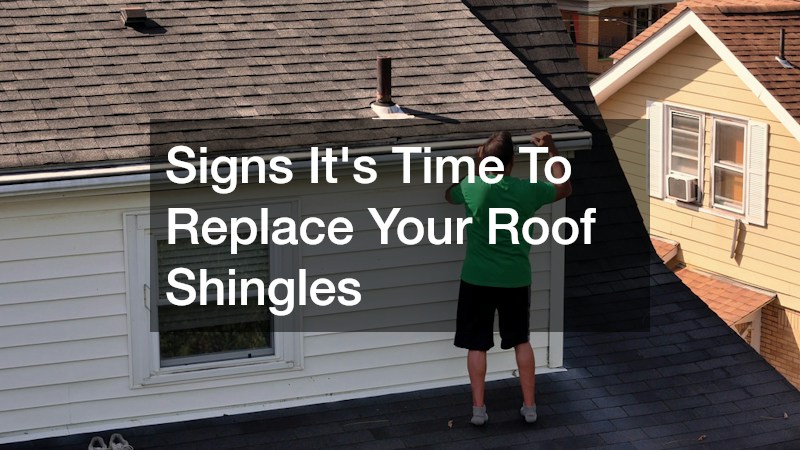
Maintaining a sturdy, secure roof is one of the most critical aspects of homeownership. Your roof serves as the primary barrier protecting your house, belongings, and family against rain, wind, hail, and extreme temperatures. However, roofing materials naturally degrade over time due to constant exposure to harsh outdoor elements. Knowing when to call licensed roofers for a thorough inspection can save you thousands of dollars in hidden structural repairs.
Visible Exterior Damage
Understanding how roof degradation manifests visually helps homeowners take action long before minor issues transform into structural nightmares. Performing a thorough visual inspection from ground level after major weather events provides crucial insight into the current condition of your shingles without putting yourself in physical danger.
Curling and Buckling Edges
Asphalt shingles often display severe environmental wear by curling upward along their outer edges or warping upward in the center. Decades of direct sunlight, extreme heat cycles, and attic moisture buildup accelerate this physical deformation over time. Once shingle edges curl, strong wind gusts can easily catch under the material.
Missing Asphalt Granules
Asphalt shingles feature a thick surface layer of tiny mineral granules specifically designed to block ultraviolet radiation and add fire resistance. Over time, heavy rainfall, falling tree branches, and natural aging wash these granules away, sending them directly into your gutters.
Cracking and Fracturing
Thermal expansion and contraction force shingles to continually swell and shrink as temperatures fluctuate throughout changing seasons. As aging asphalt loses its natural oils and flexibility, distinct horizontal or vertical cracks begin appearing across the shingle surfaces. These fractures create direct pathways for moisture to penetrate beneath the outer layer, eventually causing widespread sub-layer rot and surface failure.
Interior and Structural Red Flags
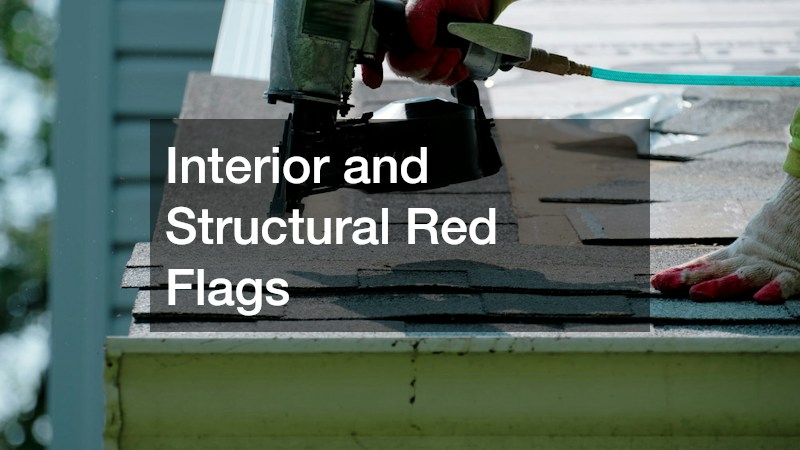
Water intrusion often reveals significant roof damage long before exterior problems become obvious to the untrained eye. Monitoring your indoor living areas, upper floors, and storage spaces helps identify hidden moisture issues before they compromise your ceiling stability or indoor air quality.
Water Stains on Ceilings and Walls
Brownish spots, spreading discoloration, or bubbling paint on upper-story ceilings and interior walls signal active, ongoing water leaks. Moisture slowly migrates down through your insulation, drywall, and framing lumber, causing costly hidden interior damage over time. Seeking an immediate professional assessment prevents toxic mold growth and expensive drywall repairs throughout your living spaces.
Attics Showing Sunlight or Moisture
Inspecting your attic space on a bright, sunny afternoon offers immediate feedback regarding the physical coverage of your shingles. Any visible pinpricks of daylight piercing through the dark roof boards indicate structural gaps that require swift repair. Highly qualified roofers recommend checking attic rafters periodically for damp insulation, dark wood rot, or wet streaks running along the interior rafters.
Sagging Roof Deck Lines
A healthy roofline displays crisp, straight horizontal and diagonal geometry across all slopes, ridges, and valleys. Drooping, dipping, or noticeably sagging sections suggest that trapped moisture has rotted and severely weakened the plywood or osb decking underneath. Structural sagging indicates advanced distress that demands immediate intervention before total deck failure occurs under heavy snow or rain loads.
Age and Environmental Stressors
Every roofing system operates within a finite lifespan dictated by original material quality, installation expertise, and local climate intensity. Evaluating your home against time-based metrics and local environmental stress factors helps guide smart, well-timed home improvement decisions.
Surpassing Expected Lifespan
Standard architectural asphalt shingle installations generally last between fifteen and twenty-five years depending on local weather conditions and attic ventilation quality. Once your current installation passes the two-decade mark, widespread material failure becomes far more probable with each passing season.
Widespread Moss and Algae Growth
Dark streaks or thick moss growth on north-facing roof sections trap constant moisture directly against the shingle surface. While black algae streaks are primarily cosmetic, thick moss acts like a sponge that holds water and forces shingle edges upward over time. Trapped moisture repeatedly freezes during winter weather cycles, causing severe micro-fractures and premature shingle degradation across large roof sections.
Soaring Energy Expenses
Unexplained increases in your monthly heating or cooling costs often trace back to a severely compromised roofing system. Damaged, worn-out shingles allow thermal energy to escape while compromised attic insulation destroys your home’s overall thermal boundary. Upgrading your aged shingles restores proper attic ventilation and insulation efficacy, forcing your HVAC system to work far less while lowering monthly energy consumption.
Recognizing these clear warning signs allows you to address subtle roofing problems before the structural integrity of your home is seriously compromised. Taking proactive steps preserves your property value while keeping your interior living space safe, warm, and dry through every season. Consulting experienced roofers ensures your property receives a durable, high-quality replacement built to withstand severe local weather for decades to come.