
Protecting your home from the silent, destructive power of moisture is the most critical responsibility a property owner faces, as the health of your building envelope dictates the long-term safety and value of your entire investment. Water is relentless; it exploits even the smallest weakness—a cracked shingle, a loose flashing seal, or a clogged drainage path—in a building’s exterior, compromising its structural integrity. When a home suffers from unchecked water intrusion, the damage goes far beyond a simple damp spot on the ceiling, as the hidden pathway taken by liquid often saturates wall cavities and structural supports unseen. It can lead to the rotting of wooden framing that supports your roof, the degradation of insulation that lowers your energy efficiency, the fostering of hidden mold colonies that threaten your indoor air quality, and the eventual decay of the interior finishes that define your living space.
Because these problems often manifest internally long after the initial breach occurs, the financial impact of moisture damage is rarely limited to minor repairs. Once water has breached the outer defenses, it begins a chain reaction of physical deterioration that can undermine the stability of your walls, floors, and ceilings. By recognizing this potential for systemic failure, you understand why maintaining a watertight exterior is the primary duty of property ownership. Preventing this intrusion is not just about keeping the house clean; it is about shielding the very framework of your home from a force that, if left unmanaged, will systematically erode the comfort, safety, and financial equity of the property you have worked so hard to maintain.
The cost of neglect is rarely confined to the moment of failure. It is a compounding debt, where an ignored leak this year becomes a full-scale restoration project in the next. However, by adopting a proactive stance, you can change the trajectory of your home’s lifecycle. This guide is designed to move you from a reactive state of “repairing” to a proactive state of “preserving,” ensuring that your property remains a secure, dry, and valuable asset regardless of what the weather brings.
Seasonal Inspections and Proactive Maintenance
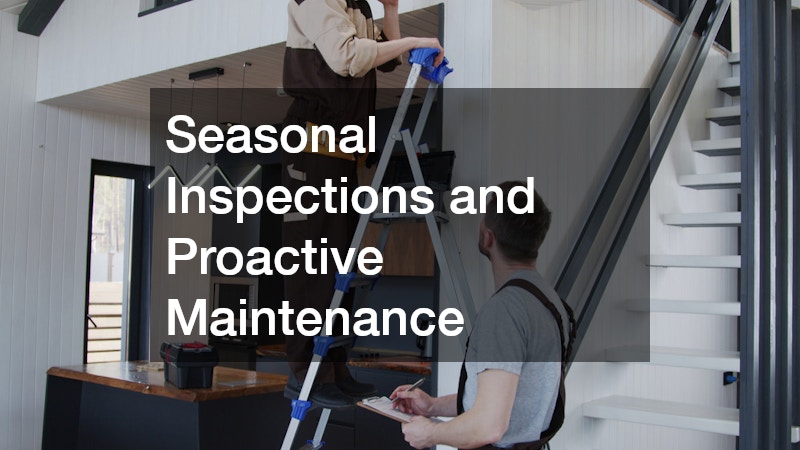
The first line of defense against moisture is a rigorous, seasonal inspection schedule that treats your home’s exterior as a high-stakes engineering system rather than a static feature. Many homeowners fall into the trap of only looking up when they see a water stain inside, but by then, the structural damage—such as rotting wood rafters, rusting metal fasteners, or soaked insulation that has lost its thermal properties—is already underway. Every spring and autumn, you should perform a comprehensive walk-around to identify the subtle signs of aging before they escalate into active leaks that threaten your interior drywall and finishings. Look for shingles that are curling at the edges, shedding excessive mineral granules into the gutters, or missing entirely, as these are the earliest indicators that your protective barrier is losing its effectiveness and can no longer reliably shed water away from your home’s envelope.
This deliberate approach transforms property care from a guessing game into a structured, manageable process that preserves the longevity of your investment. By observing the roofline from the ground with binoculars and noting any irregularities, you gain critical lead time to schedule necessary repairs before the next storm season arrives. When you treat these early warnings with the seriousness they deserve, you prevent the cascade of secondary damage that typically follows a compromised roof system. This level of diligence ensures that your protective shell remains intact, capable of repelling even the most intense weather, and guarantees that your home continues to provide a safe, dry, and stable environment for you and your family.
By catching these issues early, you shift from reactive, expensive crisis management to controlled, manageable property maintenance. Proactive observations allow you to track the progression of wear over time, giving you the lead time necessary to budget for required work and schedule professional help during the off-season. This vigilance not only prevents the immediate trauma of interior water damage but also ensures that your home’s value remains high by preserving the integrity of its most vital structural components. Treating your roof with this level of attention serves as the foundation for a lifetime of stable, secure, and stress-free property ownership.
For the majority of homeowners, regular roof repairs are the most cost-effective way to preserve the building’s envelope. Addressing a loose flashing strip or a damaged pipe boot takes minutes and costs pennies compared to the thousands of dollars required to replace a water-damaged roof deck. To handle these specific tasks, it is vital to retain specialized roof repair services that have the experience to spot issues before they develop into systemic failures. By logging every maintenance event, you create a trail of evidence that protects your warranty claims and significantly boosts the resale value of your property.
- Inspect all ridge vents for blockages that might be trapping heat and moisture in the attic.
- Check for any signs of moss or algae growth, which can hold moisture against the roof surface and accelerate degradation.
- Examine the chimney flashing, as this is one of the most common points of failure for water to seep into the home.
- Document the age and condition of all exterior seals, replacing them at the first sign of cracking or shrinkage.
Navigating Professional Partnerships

Building a trustworthy relationship with the right experts is just as important as the materials you use. When you are looking for local roofing contractors, prioritize those with deep roots in your community who understand the specific climate challenges of your region. A reputable local roofing company will be able to provide you with a detailed, honest assessment of your home’s condition rather than pushing for a quick, unnecessary sale. They should be your partners in maintaining the property’s integrity over the long term.
It is also important to recognize when your needs move beyond residential work. If you own a large property with a complex flat-roof design or a secondary outbuilding that functions similarly to a business structure, you may need a commercial roofing contractor. These professionals bring a different set of technical skills and industrial-grade materials to the table, ensuring that even your non-traditional roofs are as protected as your primary living space. By vetting these partners early, you ensure that you are never left searching for help during a storm or a crisis.
- Always verify that your chosen company carries comprehensive liability and worker’s compensation insurance.
- Ask for a clear explanation of their inspection process and request a written report of their findings.
- Look for contractors who prioritize energy efficiency and ventilation as part of their standard assessment.
- Inquire about their experience with your specific roofing material, as a specialist in asphalt systems may not be the best choice for specialized metal or tile work.
Making the Decision: Repair or Overhaul?
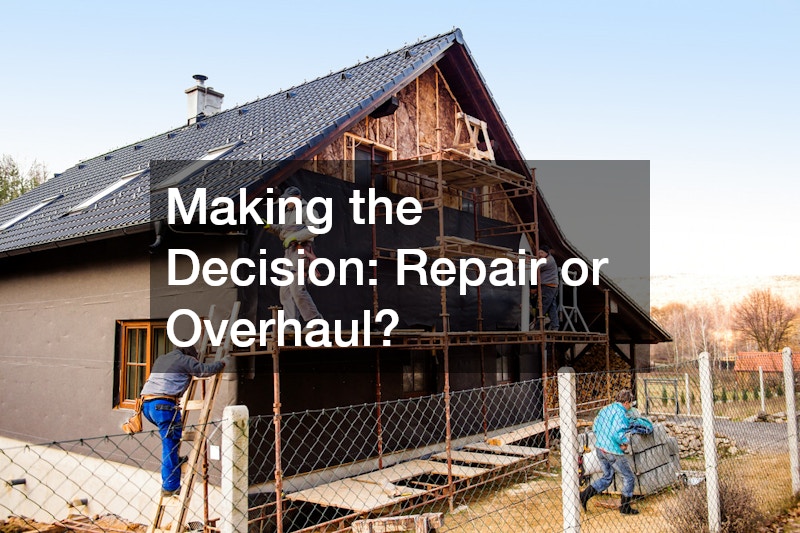
There comes a point in every property’s history where the frequency of repairs signals that a larger change is necessary to maintain the structural stability of your home. A total roof replacement is a significant investment that requires careful financial planning, but when compared to the escalating costs of constant patches, labor fees, and the ongoing, catastrophic risk of interior water damage, it is often the most economical choice. When considering a change, you have a wealth of options in 2026 that cater to both modern performance requirements and timeless design sensibilities. Traditional asphalt shingle roofing remains the most popular choice due to its balance of cost, versatile aesthetics, and reliable performance in a wide range of climates, offering a tried-and-true solution for most residential architectures that require dependable, long-term protection.
This strategic pivot allows you to upgrade your entire protective system rather than just reacting to individual failures. By choosing a comprehensive installation, you benefit from modern manufacturing advancements that make contemporary materials more resistant to wind uplift, fire spread, and granule loss than the versions installed even a decade ago. While the initial capital commitment is higher than routine maintenance, the peace of mind gained from knowing your home is shielded by a new, warrantied, and expertly installed barrier is substantial. This decision transforms a vulnerable, aging asset into a secure, high-value component of your property, effectively ending the cycle of reactive stress and securing the long-term safety of your home’s interior environment.
For homeowners looking for maximum longevity and superior moisture shedding, metal roofing has become the gold standard. It is engineered to withstand extreme wind, snow loads, and heat, often lasting two to three times longer than traditional options. While the upfront cost is higher, the total cost of ownership over 50 years is significantly lower. Deciding between these materials requires an honest look at your current roof deck, your budget, and your long-term goals for the property. A professional partner can help you model the potential return on investment for each option, ensuring your choice aligns with your home’s value.
- Assess the condition of the underlying roof deck; if it is compromised, a simple cover-up will not solve the issue.
- Consider the architectural style of your home, as some materials may better complement your property’s aesthetic.
- Evaluate the environmental impact, as many modern materials are highly recyclable at the end of their lifecycle.
- Plan for the future by selecting materials that offer the best performance in your local weather patterns, especially if storms are becoming more frequent.
Managing Critical Failure and Urgent Risks
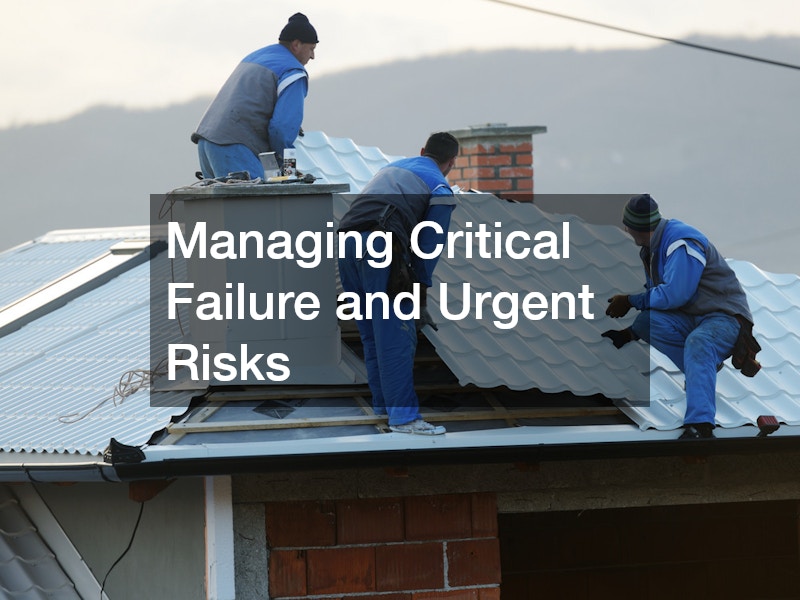
Even with the best planning, unforeseen events can occur, turning a standard afternoon into a race against the elements. High-wind storms, fallen trees, or sudden mechanical failures can create an immediate, high-stakes threat to your interior, compromising your home’s security in an instant. When water begins to pour into your home, every second counts, as saturation can trigger rapid material degradation and secondary hazards like electrical short-circuits. The first step is to contain the interior damage—moving furniture, placing containers, and, if safe, covering the area with heavy-duty tarps to shield your belongings. However, this is only a temporary fix meant to buy you time; you need immediate, professional assistance to prevent the damage from becoming permanent and deep-set.
Having a dedicated local roof repair service in your contacts list can be the difference between a minor incident and a ruined home. They can provide emergency roof repairs that stabilize the structure until a more permanent solution can be implemented, preventing the intrusion from expanding during ongoing weather events. Whether it involves boarding up an opening to stop wind-driven rain or applying temporary waterproofing membranes to seal a tear, these professionals are trained to act under pressure to mitigate the risk to your drywall, flooring, and electrical systems. By reacting with speed and precision, you preserve the home’s interior, saving thousands of dollars in restoration costs and ensuring that your living space remains habitable while the final, permanent repairs are scheduled.
- Maintain a “Go-Bag” for your home that includes the contact info for your roofing partner and basic supplies like heavy-duty plastic and utility knives.
- Do not attempt to walk on a wet or damaged roof, as this can lead to personal injury and further structural collapse.
- Once the immediate danger has passed, ensure the area is properly dried using professional dehumidification equipment to prevent mold.
- Work with your insurance adjuster to document the cause and the extent of the damage before starting the permanent repair work.
Closing Thoughts
Protecting your property from water damage is a continuous process of vigilance and action, where every small maintenance task acts as a defensive maneuver against the persistent threat of moisture. By treating your home as a sophisticated system—one that requires regular check-ups, professional partnerships, and intelligent upgrades—you move away from the stress of emergency repairs and into a world of confident ownership where you control the property’s narrative rather than reacting to its failures. The stability of your home is not a matter of luck, but a direct reflection of the intentional choices you make every season, from cleaning gutters to confirming the integrity of flashing and vents.
By prioritizing the health of your roof, vetting the professionals you trust, and knowing when to invest in a major upgrade, you ensure that your property remains a sanctuary against the unpredictable nature of the environment. A home that stays dry is a home that lasts, protecting your family’s comfort and preserving your financial future by avoiding the costly cycle of repetitive, ineffective fixes. As you continue to monitor your property, let these habits of care guide you toward a lasting legacy of structural integrity and peace of mind, transforming your residence into a high-performance asset that stands strong against the elements for decades to come.