
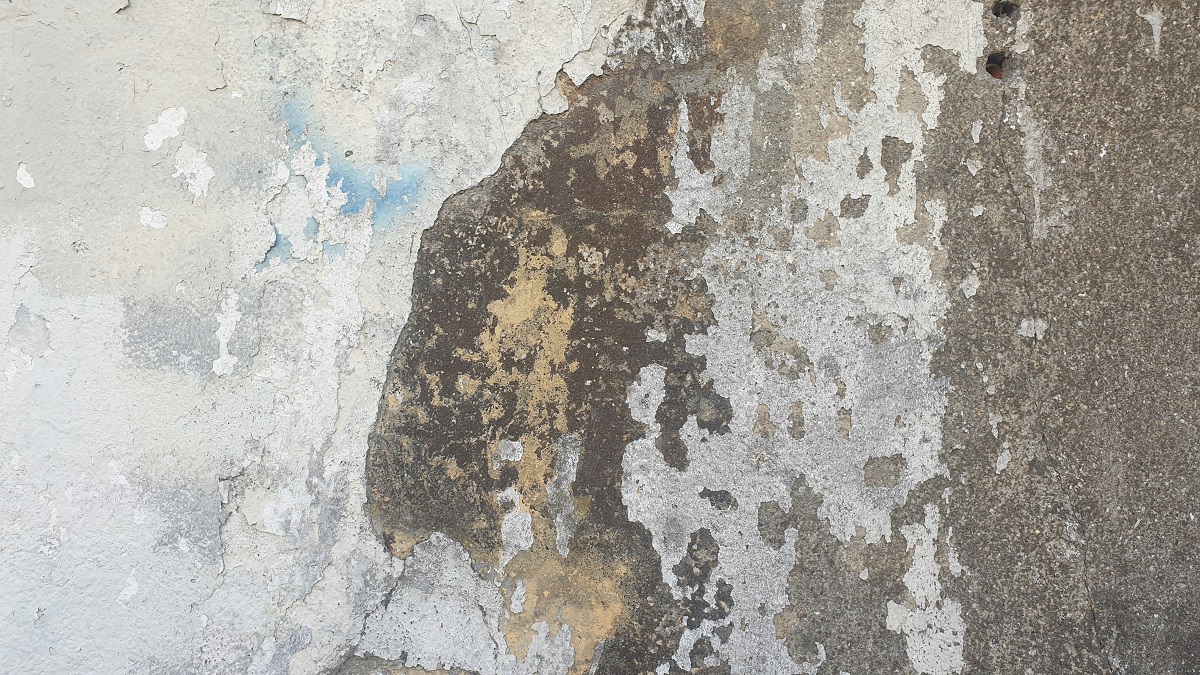
Highlights:
- Even small water stains or wall imperfections can significantly reduce buyer confidence because they signal potential hidden problems, not just cosmetic damage.
- Buyers rarely see water damage as isolated—they often assume there are deeper issues like leaks, mold, or structural deterioration throughout the home.
- First impressions matter heavily, and visible wall damage can quickly shift a buyer’s mindset from “move-in ready” to “high-risk property.”
- Water damage often lowers selling prices indirectly by increasing negotiation pressure, inspection-based deductions, and conservative buyer offers.
- Home inspections tend to escalate concerns because they uncover hidden moisture, mold risks, or past repair quality issues that aren’t visible during viewings.
- Even repaired damage can still affect home value unless the cause is fully resolved and properly documented, as buyers remain cautious about recurrence.
- Market timing and presentation strategy matter, but transparency and proper repair of the root cause are the strongest factors in protecting perceived value.
Water damage is one of those home issues that tends to look harmless at first glance but can quietly reshape how buyers see your property—and how much they’re willing to pay for it. Walls are especially important because they’re one of the first things people notice when they walk into a home. Even subtle discoloration or texture changes can raise concerns about deeper structural issues.
Whether you’re planning to sell soon or just want to maintain your property’s long-term value, understanding how water-damaged walls affect perception and pricing is essential. Let’s break it down in a practical, no-nonsense way.
Why Do Water-Damaged Walls Matter So Much to Home Value?
Water-damaged walls are treated as a warning signal in real estate because they often point to problems that go beyond what’s visible. Buyers don’t just see a stain or a warped patch of drywall—they immediately think about what caused it and whether it’s still ongoing.
In property valuation, condition plays a major role alongside location and size. Even minor wall damage can influence how appraisers and buyers categorize the home: well-maintained, average condition, or needing repair.
The concern becomes stronger because water damage is rarely isolated. A single stained wall could indicate:
- A leaking pipe behind the surface
- Roof seepage that has gone unnoticed for months
- Poor ventilation causing chronic moisture buildup
- Previous flooding that may have affected hidden structural areas
Once these possibilities enter a buyer’s mind, the perceived risk spreads across the entire property. Even unrelated rooms may be viewed with suspicion. This is why homes with visible water damage often experience slower sales velocity and reduced bargaining power, even when everything else is in good condition.
What Does Water Damage Actually Look Like on Walls?
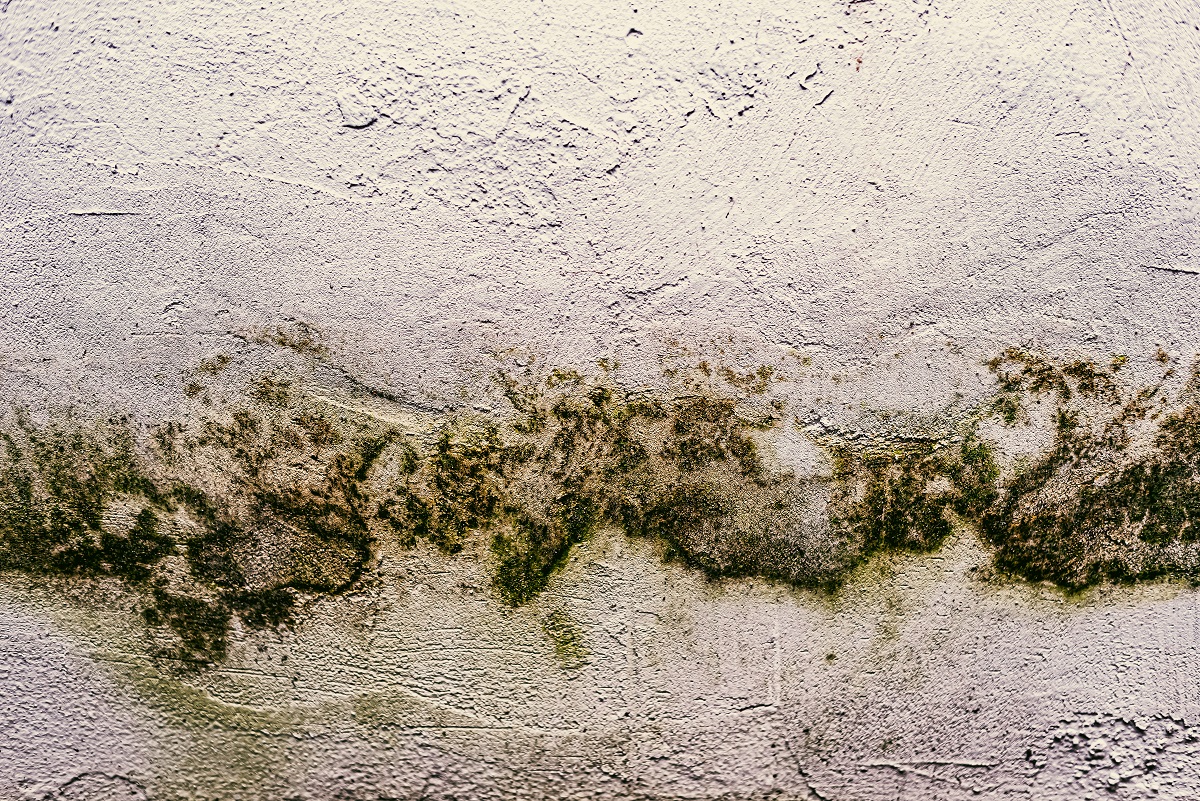
Water damage does not always present itself in obvious or dramatic ways. In many cases, it develops slowly and becomes noticeable only when it has already spread beneath the surface layers of paint or drywall.
Early-stage damage often appears as faint discoloration that may be mistaken for dirt or aging paint. Over time, the signs become more distinct and structurally concerning.
Typical progression of wall water damage includes:
- Stage 1: Slight yellowing or faint circular stains forming near ceilings or corners
- Stage 2: Paint begins to lose adhesion, leading to bubbling or peeling
- Stage 3: Drywall becomes soft or slightly swollen due to moisture absorption
- Stage 4: Surface warping, cracking, or visible mold colonies appear
In more severe cases, the damage can extend beyond the wall surface into insulation or framing materials. This is particularly common in homes with slow leaks, where moisture accumulates over time without immediate detection.
A key challenge is that fresh paint or patchwork repairs can temporarily hide these issues, but they often resurface unless the underlying moisture source is properly resolved.
How Does It Affect First Impressions During Home Viewings?
First impressions in real estate are formed quickly, and visual cues heavily influence emotional reactions. Water-damaged walls disrupt the sense of cleanliness and stability that buyers expect when walking into a home.
Even if the damage is minor or confined to a single area, it often creates a ripple effect in perception. Buyers begin mentally reassessing the entire property instead of focusing on its strengths.
Common behavioral shifts during viewings include:
- Buyers slow down and inspect walls more closely
- Attention shifts from layout and design to potential defects
- Questions about maintenance history become more frequent
- Emotional attachment to the home weakens
- Comparisons to similar properties become more critical
This shift is important because emotional connection plays a major role in willingness to make an offer. Once concern outweighs comfort, buyers tend to mentally downgrade the property—even before receiving inspection results.
Can Water-Damaged Walls Lower Your Selling Price?
Water damage can directly influence pricing, but the impact is usually driven by negotiation psychology rather than fixed market formulas. Buyers tend to estimate worst-case repair scenarios and subtract those costs from their offer.
Price reductions often happen in layers:
- Initial Offer Adjustment: Buyers reduce their offer to account for uncertainty and potential repairs
- Inspection-Based Revisions: Further deductions may occur after inspection reveals hidden moisture or structural concerns
- Renovation Buffering: Buyers often add extra discount margins beyond actual repair costs to reduce personal risk
In addition, lenders and appraisers may also contribute indirectly to lower valuations if the damage is visible or unresolved.
Even in strong markets, water damage weakens the seller’s position because it shifts leverage toward the buyer. Instead of competing on value and features, the home becomes a negotiation around risk management.
What Happens During a Home Inspection?
Home inspections are designed to uncover issues that are not immediately visible, and water damage is one of the most closely examined conditions because it often signals deeper system failures.
Inspectors typically begin with visible assessment but quickly move into diagnostic testing. Moisture meters are commonly used to detect hidden dampness behind paint, tile, or drywall. This helps identify whether the issue is active or historical.
A thorough inspection may include:
- Testing wall moisture levels at multiple points in affected areas
- Checking ceilings for roof-related water intrusion patterns
- Inspecting plumbing lines for slow leaks behind walls
- Evaluating baseboards and flooring for hidden seepage
- Looking for secondary signs like rust, mold spores, or insulation damage
Even if repairs were previously done, inspectors evaluate whether they were structurally sound or merely cosmetic. Their findings often carry significant weight in buyer negotiations, especially when insurance or financing is involved.
Why Do Buyers React So Strongly to Water Damage?
Buyer reactions to water damage are often driven by uncertainty rather than the visible defect itself. Unlike cosmetic flaws, water damage suggests unpredictability, which is one of the least desirable qualities in a major purchase.
Buyers tend to associate it with hidden complications, such as:
- Undisclosed structural deterioration
- Repeated leaks that may resurface after purchase
- Expensive repairs involving multiple systems
- Potential health risks from long-term moisture exposure
There is also a psychological element: buyers often feel they are inheriting a problem rather than purchasing a finished asset. This perception shifts their mindset from “dream home” to “project property,” which reduces emotional willingness to pay full value.
How Do Mold Concerns Amplify the Problem?
Mold concerns significantly magnify the impact of water-damaged walls because they introduce health-related risk into the decision-making process. Even when mold is not visible, its potential presence is enough to influence buyer hesitation.
This concern is particularly strong because mold is:
- Difficult to detect without specialized inspection
- Capable of spreading behind walls and under flooring
- Associated with respiratory and allergy issues
- Costly to fully remove if widespread
As a result, even minor stains or past water damage can trigger assumptions that mold remediation may be required. This often leads buyers to request additional inspections or negotiate larger discounts to offset perceived health and financial risk.
Does Repaired Water Damage Still Affect Home Value?
Repaired water damage can still influence value because buyers evaluate both condition and history. Even when repairs are properly completed, the memory of damage can remain a psychological factor.
The level of impact depends heavily on documentation and transparency. Homes with strong repair evidence tend to recover value more effectively than those without.
What helps reduce buyer hesitation:
- Licensed contractor reports detailing repair scope
- Proof that the original water source was fully resolved
- Replacement of all affected structural materials, not just surface fixes
- Evidence of mold prevention or treatment
- Third-party inspection clearance confirming stability
Without this level of documentation, buyers often assume the repairs were superficial, which can still suppress offers.
What Types of Homes Are Most Affected?
Certain homes are more sensitive to buyer concerns about water damage due to their age, location, or construction type.
Higher-risk categories include:
- Older homes with aging or unverified plumbing systems
- Properties in flood-prone regions or typhoon-affected zones
- Homes with finished basements where hidden moisture is harder to detect
- Houses with flat or aging roofs prone to slow leaks
- Properties in consistently humid climates where moisture control is difficult
In these cases, even minimal damage can trigger stronger buyer scrutiny because the perceived likelihood of recurrence is higher.
How Does Water Damage Affect Mortgage Approval?
Water damage can influence mortgage approval because lenders prioritize asset stability and long-term value retention. Visible damage raises concerns about structural integrity and insurability.
Lenders may respond by:
- Requiring repairs to be completed before loan approval
- Requesting updated property appraisals after remediation
- Reducing loan amounts based on adjusted property value
- Delaying closing until inspection issues are fully resolved
In more severe cases, financing may be contingent on proof that the issue is not ongoing. This creates additional pressure on sellers to resolve issues quickly and thoroughly before listing or during escrow.
What Are Buyers Really Worried About Behind the Scenes?
When buyers see water-damaged walls, their concerns rarely stop at what’s visible. What actually drives hesitation is the uncertainty about everything that might be happening behind the surface. Even a small stain can trigger a chain of “what if” scenarios that affect how they evaluate the entire property.
Their deeper concerns usually include:
- Whether the damage has affected the home’s structural framework
- If electrical wiring has been exposed to moisture
- Whether insulation behind the walls has become damp or mold-prone
- If there are multiple hidden leaks throughout the property
- Whether previous owners attempted quick cosmetic fixes instead of real repairs
Buyers also think long-term. They’re not just asking “Is this fixable?” but “Will this come back after I move in, and how much will it cost me over time?” That uncertainty often becomes more influential than the actual condition of the home itself.
In many cases, this mental risk assessment leads buyers to reduce their offer or move on entirely, even if the visible damage seems minor.
How Much Value Can Be Lost From Visible Damage?
The value impact of water-damaged walls depends on severity, location, and how widespread the issue is, but the biggest driver is perception rather than repair cost.
Even when the structural impact is limited, buyers tend to apply a “risk discount” across the entire property. This means the presence of damage in one area can reduce perceived value in unrelated spaces.
Here’s how it typically plays out in real-world scenarios:
- Minor localized stains: Buyers may request small price reductions or repair credits, but still proceed with the purchase
- Moderate visible damage: Negotiations become more aggressive, with buyers factoring in professional repair estimates plus contingency costs
- Widespread or recurring damage: Buyers often treat the property as high-risk, leading to significantly lower offers or withdrawal from the deal
What makes this more complex is that appraisers may also take condition into account when determining market value, which can reinforce the buyer’s lower valuation. This creates a double impact: reduced perceived value from buyers and potentially reduced appraised value from lenders.
Can Cosmetic Fixes Help Improve Perception?
Cosmetic fixes can improve first impressions, but they only work effectively when the underlying moisture problem has already been addressed. Otherwise, they act as temporary concealment rather than real resolution.
From a buyer’s perspective, cosmetic improvements mainly help with emotional comfort and visual reassurance. Fresh paint, clean surfaces, and repaired drywall can make a home feel maintained rather than neglected.
However, buyers are increasingly aware of surface-level repairs, so cosmetic work alone may not fully restore confidence. In fact, poorly executed cover-ups can sometimes increase suspicion.
Common cosmetic improvements include:
- Repainting affected walls with stain-blocking or moisture-resistant paint
- Replacing damaged drywall sections instead of patching over them
- Restoring uniform texture to walls and ceilings for consistency
- Improving lighting to reduce visibility of past imperfections
- Deep cleaning surrounding areas to eliminate lingering odors
These steps are most effective when paired with documentation that proves the underlying issue was resolved. Without that, cosmetic upgrades mainly improve presentation, not perceived risk.
When Does Water Damage Become a Dealbreaker?
Water damage becomes a dealbreaker when buyers feel they cannot confidently predict future costs or risks associated with the property. At that point, even a lower price may not be enough to maintain interest.
Several conditions tend to push buyers toward walking away:
- Evidence of repeated or ongoing water intrusion without a clear source
- Visible mold growth suggesting long-term moisture exposure
- Structural weakening in multiple areas of the home
- Lack of documentation showing proper repair history
- Inspection reports indicating unresolved or systemic issues
The psychological factor is critical here. Once buyers believe a home may require continuous repairs, it shifts from a “purchase” to a “project,” which significantly reduces demand. Even emotionally interested buyers may step back once uncertainty becomes too high.
How Can Homeowners Reduce Negative Buyer Perception?
Reducing buyer hesitation requires a combination of technical repair work and strategic presentation. The goal is not only to fix the issue but to rebuild confidence that the home is stable and well-maintained.
Effective approaches include:
- Fully identifying and repairing the original source of the water intrusion rather than just addressing surface damage
- Documenting all repairs with receipts, contractor notes, and before-and-after photos
- Ensuring all affected materials such as drywall, insulation, or framing are properly replaced when necessary
- Installing preventive measures like improved drainage, sealing, or ventilation systems
- Conducting a pre-listing inspection to identify and resolve potential red flags before buyers see them
This is also where long-term prevention plays a major role. Understanding how to protect your home from water damage helps homeowners avoid repeated issues that can compound value loss over time. Buyers are far more confident in homes where prevention is clearly part of the maintenance history.
Transparency is equally important. Attempting to hide or minimize past damage often backfires during inspections and can weaken trust significantly.
What Role Does Timing Play in Selling a Damaged Home?
Timing can heavily influence how water damage is perceived in the market. The same issue can be seen as minor in one environment and major in another depending on market conditions.
In a strong seller’s market:
- Buyers compete more aggressively and may overlook minor imperfections
- Homes tend to sell faster, reducing scrutiny time
- Negotiation power remains mostly with the seller
In a buyer’s market:
- Buyers have more inventory to choose from and can afford to be selective
- Even small defects become justification for lower offers
- Homes with visible issues may linger longer on the market
External conditions also matter. After heavy rainfall, flooding, or regional storms, buyers become more cautious about water-related issues in general, increasing scrutiny even for minor wall damage.
Because of this, timing a listing strategically can sometimes reduce the financial impact of existing damage.
Is Full Renovation Always Necessary Before Selling?
Full renovation is not always required, and in many cases, it may not be the most cost-effective approach. The decision depends on whether the damage is isolated, recurring, or structurally significant.
Full renovation becomes necessary when:
- Structural components such as framing or load-bearing elements are affected
- Multiple rooms show signs of long-term water exposure
- Mold remediation requires extensive removal beyond surface treatment
- Repairs would substantially increase property value relative to cost
However, if the damage is limited and the source has been resolved, targeted repairs are often sufficient. Buyers are generally more receptive to homes that are honest about past issues but demonstrate clear resolution and proper upkeep.
In many cases, strategic repairs combined with strong documentation can preserve value without requiring a full-scale renovation investment.
Final Thoughts on How Water Damage Shapes Real Estate Value
Water-damaged walls do more than affect appearance—they influence how buyers interpret the entire home. Even small signs of damage can trigger concerns about cost, safety, and long-term reliability. While not every situation requires major renovation, addressing issues properly and presenting them transparently can significantly reduce negative impact.
Ultimately, maintaining wall integrity isn’t just about aesthetics. It’s about protecting your home’s value, preserving buyer trust, and ensuring your property stands strong in any market.