The health of your home’s plumbing system is crucial for maintaining a safe and comfortable living environment. Understanding when and why plumbing repairs are necessary can save time, money, and prevent more severe issues. This article will explore common concerns and provide insights into plumbing repair needs.
What are the Common Signs That I Need Plumbing Repair?
Identifying the signs that your home requires plumbing repair can be the key to preventing more extensive and expensive issues. One of the most apparent indicators is a noticeable reduction in water pressure.
This could signify a leak or blockage within your pipes. Inconsistent water temperature is another sign of trouble, often indicating an issue with the water heater. Odd sounds when flushing or draining fixtures may also suggest that your plumbing system might need attention.
Persistent clogs in sinks, toilets, or bathtubs are common signals of plumbing problems. Often these clogs are caused by buildup in your pipes, which requires professional plumbing repair. Meanwhile, unexplained spikes in your water bill could reveal a hidden leak. If you notice damp spots or water pooling in unexpected areas, it might be due to a pipe leak beneath the surface. Addressing these signs promptly can prevent more severe damage to your plumbing infrastructure.
An increasing need for repairs or replacements of plumbing fixtures can also serve as a clue that a comprehensive inspection is due. Moreover, the presence of mold or mildew in areas like the bathroom, which are more vulnerable to leaks, shouldn’t be ignored. The discoloration or rust in the water might suggest that your pipes are corroded. Unpleasant odors emanating from drains could hint at a serious blockage or sewer issue. Recognizing these signs will help you decide when it’s critical to call a professional plumber.
How Often Should I Schedule Plumbing Inspections?
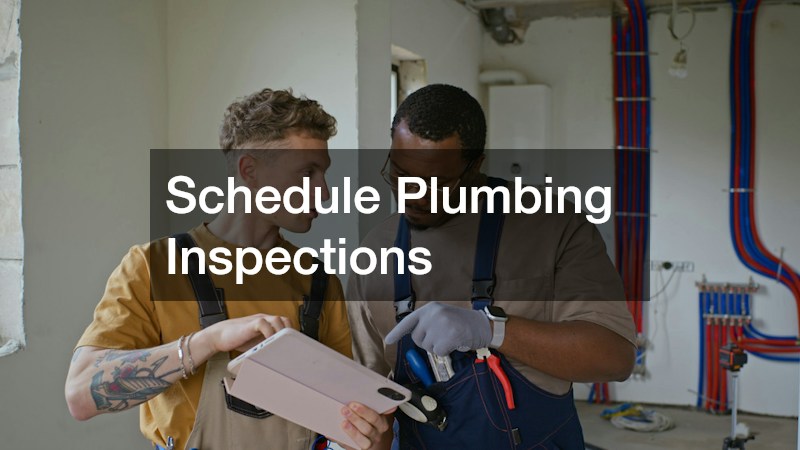
Regular plumbing inspections are an essential component of home maintenance that can extend the longevity of your system. Industry professionals recommend scheduling a plumbing inspection at least once every two years. For older homes, annual inspections may be more beneficial due to aging infrastructure. Having a proactive approach allows early detection of potential plumbing issues. This routine assessment ensures that minor repairs do not escalate into significant problems.
During a plumbing inspection, professionals evaluate various components of your system, including the pipes, water heaters, and fixtures. They use advanced tools to identify leaks, corrosion, or blockages that are not visible to the naked eye. Scheduling these inspections during seasons with moderate weather, such as spring or fall, can further enhance their effectiveness. Homeowners living in regions with extreme temperatures might need more frequent assessments. This can help identify weather-related damages that occur often.
The cost associated with regular plumbing inspections is a worthwhile investment when weighing against potential repair expenses from unchecked issues. Investing in routine checks can also uphold your property’s value over time. It is advisable to work with certified plumbers who are familiar with your plumbing system. An established relationship with a trusted plumber can facilitate swift response when problems arise. By staying informed about the condition of your home’s plumbing, you can ensure the safety and comfort of your household.
Can Ignoring Plumbing Issues Lead to Bigger Problems?
Ignoring small plumbing issues might lead to more significant and costly problems over time. Minor leaks, if left unaddressed, can damage your home’s foundation. This can significantly diminish the structural integrity of your property. Simple clogs can evolve into major blockages, resulting in backflow and potential water damage. Catching these issues early can prevent financial strain and avoid substantial repair work.
Furthermore, untreated plumbing issues can escalate water consumption, leading to higher utility bills. The persistent dripping of a leaky faucet alone wastes significant volumes of water annually. Over time, this not only impacts your finances but also the environment. Additionally, constant exposure to water in unwanted areas promotes the growth of mold and mildew. These can pose health risks to the inhabitants of your home if not promptly mitigated.
Delaying necessary plumbing repairs creates a cyclical problem where minor issues compound into larger headaches. It’s vital to maintain schedules for maintenance and repair to safeguard against these evolving complications. Procrastination in addressing minor plumbing concerns might ultimately necessitate a full system replacement. Being attentive and responsive to signs of trouble early on can save homeowners the hassle of larger repairs. Emphasizing repair work today ensures a more comfortable and safe home environment for the future.
Are DIY Plumbing Fixes Recommended?
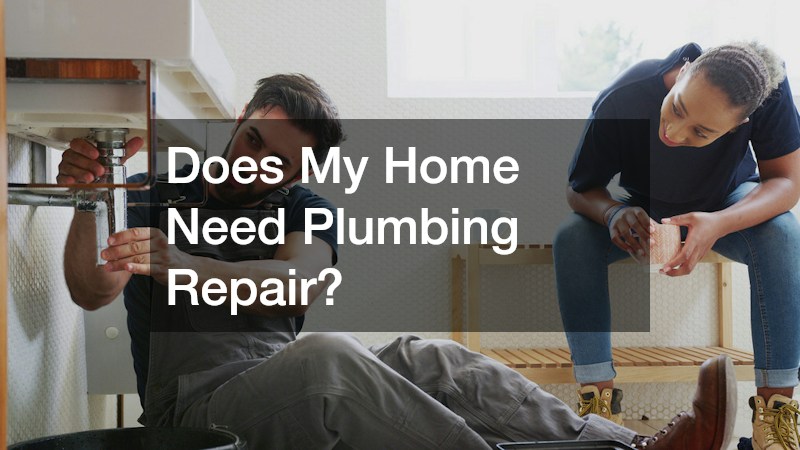
DIY plumbing fixes can seem appealing, especially for those who enjoy home improvement projects and aim to save on costs. However, tackling these repairs on your own might not always be advisable. Simple repairs, such as replacing a washer or tightening a faucet, can often be handled by homeowners with minimal risk. But more complex issues, like significant leaks or pipe rerouting, should be left to professionals. Attempting these without the necessary expertise can lead to further damage and even more costly repairs.
One of the critical considerations in DIY plumbing is the accuracy of diagnosing the issue. Sometimes, what appears to be a minor issue on the surface can have complex underlying causes. Without advanced diagnostic tools, there’s the risk of misidentifying problems. This can lead to ineffective or even harmful fixes. Professional plumbers have the experience and equipment necessary to provide an accurate diagnosis, ensuring that the root cause is addressed properly.
Additionally, DIY repairs may void any warranties you have on your plumbing fixtures or systems. Manufacturers often stipulate that installation and repairs must be carried out by licensed plumbers. Incorrect repairs can increase the risk of damage to your plumbing system. This furthers the importance of calling in an expert for more significant issues. While DIY solutions can work for minor issues, professional assistance is invaluable for ensuring safety and proper repair work.
What Factors Affect Plumbing Repair Costs?
Understanding the factors affecting plumbing repair costs can help homeowners better anticipate expenses. The complexity of the issue is a primary determinant of cost. A simple leak or clogged drain is generally less expensive compared to significant jobs such as repiping or fixing sewer lines. The cost of replacement parts can also vary, depending on the quality and type of materials used. Furthermore, accessibility plays a role; hard-to-reach areas can increase labor costs significantly.
The geographic location of your home may also influence the repair costs due to varying local labor rates. Urban areas often see higher rates due to the increased living costs. Furthermore, emergency repairs often carry a premium to reflect the urgency and the potential disruption to service schedules. Hourly rates of plumbers can fluctuate according to their experience and expertise, which in turn affects overall costs. Understanding these potential costs can help you plan and budget for future plumbing maintenance and repairs effectively.
In some cases, investing in preventative maintenance programs can mitigate the scale and expense of future plumbing repairs. These programs often offer reduced rates for regular checks and minor repairs, spreading out costs over time. Homeowners can manage their expenses better and increase their home’s longevity by opting for such initiatives. Regular maintenance also provides peace of mind, knowing that your plumbing system has preventative measures in place. Therefore, despite initial expenses, such measures can prove beneficial in the long run by safeguarding against more costly repairs.
Regular maintenance and timely repairs are vital to ensuring your plumbing operates efficiently. While some issues can be addressed through DIY fixes, others require professional expertise. By staying informed and proactive, you can protect your home from costly damages. Prioritizing the health of your plumbing system contributes significantly to a safe and functional home. With the right strategy, you can efficiently maintain and repair your plumbing, avoiding unnecessary stress and expenses.