

A home can look appealing on the surface while still falling short of what its occupants need. Awkward layouts, aging materials, neglected maintenance, and poorly planned outdoor areas can make ordinary routines more complicated than necessary. Fortunately, meaningful improvements do not always require a complete transformation. Choosing projects that address specific problems can make a property more comfortable, easier to manage, and more attractive to future buyers.
The key is to consider how different parts of the house work together. An updated kitchen may make daily meals simpler, but a leaking roof could undermine the investment. New landscaping can enhance curb appeal, but drainage and access deserve attention before decorative features. Evaluating condition, household priorities, and long-term maintenance costs helps homeowners decide where to begin. Clear priorities make it easier to resist improvements offering little lasting benefit. The following projects offer practical ways to strengthen a home’s usefulness and protect its condition without overlooking the details that matter most.
Modernize Kitchens and Bathrooms
Kitchens and bathrooms tend to receive considerable attention because residents use them every day. When these rooms are cramped, dated, or difficult to clean, even small tasks can feel inconvenient. Thoughtful kitchen remodeling can address those frustrations by improving the arrangement of appliances, work surfaces, and storage. Rather than selecting finishes first, homeowners should observe where people prepare food, gather, and move through the room. A layout that reduces unnecessary steps often delivers benefits that are felt long after construction ends.
Storage upgrades can also make a noticeable difference. Deep drawers may offer easier access to cookware than crowded lower cabinets, while adjustable shelves provide flexibility as household needs change. Durable counters, adequate task lighting, and ventilation deserve consideration alongside color and style. Materials should suit how the household actually cooks and cleans, not simply what looks appealing in a showroom. Small design choices often influence convenience more than expensive finishes.
Bathroom remodeling presents similar opportunities to improve everyday comfort. Better lighting near mirrors, slip-resistant flooring, practical shower storage, and fixtures with accessible controls can benefit people of different ages. In a shared bathroom, additional counter space or a better vanity arrangement may reduce morning congestion. Homeowners should also inspect plumbing, ventilation, and surfaces for hidden moisture before installing new finishes. Addressing these underlying conditions can prevent an attractive remodel from concealing problems that eventually demand another round of repairs.

Plan Remodeling Around Daily Needs
Individual room upgrades work best when they support a larger plan for the property. Before hiring home remodeling services, homeowners should identify recurring frustrations and separate essential corrections from optional design changes. For example, a growing family may need better storage and flexible gathering areas, while someone planning to remain in the house for decades may value wider pathways and fewer steps. These priorities should influence the scope of work before anyone begins removing walls or ordering materials.
A written project brief can help clarify decisions. It might describe how rooms are currently used, where traffic becomes congested, which materials require frequent maintenance, and what the household hopes to change. Including a realistic budget, a contingency amount, and a preferred timeline also helps contractors prepare proposals that reflect the same expectations. Comparing clearly defined estimates is more useful than judging only the lowest initial price. Ask how proposed changes will affect cleaning, privacy, and future maintenance.
Consider how renovations affect adjoining spaces. Moving a doorway could improve circulation but eliminate useful wall storage. Expanding one room might reduce natural light elsewhere. Electrical capacity, plumbing routes, structural supports, and local permit requirements can also shape what is possible. Discuss these details with qualified professionals before finalizing a design. Careful coordination reduces the chance of paying twice for work and helps create improvements that feel consistent throughout the house.
Maintain Roofing and Siding
Exterior materials protect the rooms and investments beneath them. Missing shingles, deteriorated flashing, loose siding, and damaged sealant can allow weather to reach vulnerable parts of a building. Homeowners should periodically look for visible changes from the ground, especially after strong winds or heavy storms. Interior water stains, peeling paint near ceilings, and persistent damp odors may also indicate that the building envelope needs attention. Record the date and location of damage for future comparisons.
Timely roof repairs can prevent limited damage from spreading into roof decking, insulation, and interior finishes. The right solution depends on the roof’s age, construction, and actual condition. A contractor may be able to address an isolated leak, while widespread deterioration could justify discussing replacement. Homeowners should ask for an explanation of the problem, photographs when available, and a written scope that distinguishes necessary work from recommended upgrades. Climbing onto a roof without appropriate training and equipment is not worth the risk.
Siding deserves the same attention. Cracks, gaps, warping, and soft areas may point to moisture exposure or failing materials. Experienced siding installers can evaluate whether individual sections need replacement and whether underlying sheathing or flashing requires repairs. Color and texture influence curb appeal, but effective water management matters more than appearance alone. Keeping gutters clear, directing runoff away from the foundation, and maintaining properly sealed transitions can help protect both roofing and exterior walls over time.

Upgrade Windows and Garage Doors
Windows and garage doors affect how a home feels and functions every day. Drafts, difficult operation, excessive noise, and visible deterioration can signal that these features need attention. However, replacement should begin with a careful assessment rather than the assumption that every older component must go. Weatherstripping, hardware adjustments, or localized repairs may resolve some concerns at a lower cost.
When frames are severely damaged or units no longer operate properly, window replacement may offer more lasting improvements. Homeowners should consider frame materials, glazing options, ventilation needs, and the orientation of each opening. Installation quality is essential because gaps around even an efficient new window can allow air and water infiltration. Proper flashing and sealing help the finished product perform as intended. Ask installers to explain relevant warranty terms and routine maintenance requirements. Matching styles across visible elevations can also create a more cohesive exterior appearance.
Garage door replacement can improve usability when an existing door is damaged, unreliable, or poorly suited to household needs. Consider insulation, window placement, material maintenance, and the space required for operation. Safety features are especially important: automatic doors should have functioning reversal systems and properly aligned sensors. Because springs and other components are under considerable tension, specialized repairs belong with trained professionals. Choosing a door that complements the home’s architecture can improve curb appeal, but smooth operation and dependable safety should guide the final decision.
Improve Driveways and Outdoor Access
The path from the street to the front door shapes daily convenience as much as it shapes visitors’ first impressions. Cracked surfaces, standing water, uneven transitions, and narrow walkways can create problems for drivers, pedestrians, and people moving equipment. Before selecting materials or colors, homeowners should observe how vehicles enter and leave the property, where people regularly walk, and what happens to runoff during heavy rain. Discuss drainage paths before committing to any new hardscaping layout.
A concrete driveway contractor can assess whether an existing surface needs patching, resurfacing, or complete replacement. The recommendation should account for soil conditions, drainage, expected vehicle loads, and local climate. Proper preparation beneath the surface is important because a visually appealing finish cannot compensate for an unstable base. Homeowners should also discuss control joints, curing requirements, and how soon the driveway can safely handle vehicles after installation.
Outdoor access improvements do not have to stop at the driveway. Well-positioned lighting can make entrances easier to navigate after dark. Defined walkways help reduce wear on lawns, while smooth transitions at steps and thresholds improve convenience for visitors carrying packages or using mobility aids. Where practical, consider how snow removal, trash collection, deliveries, and gardening equipment will move through the space. These everyday details often determine whether an exterior upgrade remains useful years after the initial work is completed.
Resolve Moisture Problems Before Renovating
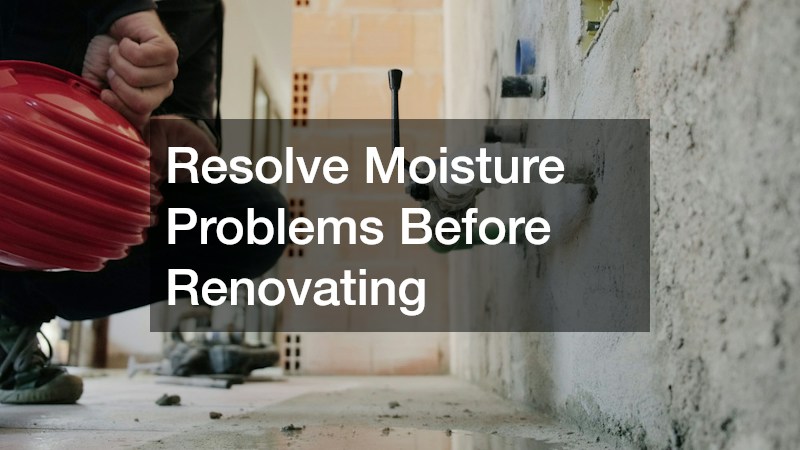
Fresh finishes cannot solve an ongoing moisture problem. Water entering through exterior gaps, plumbing leaks, or persistent condensation can damage building materials and create conditions in which mold grows. Signs worth investigating include unexplained stains, bubbling paint, softened drywall, musty odors, and repeated dampness around windows or basement walls. Discovering the cause is more important than simply covering the affected area.
Professional mold remediation may be necessary when contamination is extensive, concealed, or difficult to manage safely. The appropriate response depends on the moisture source, affected materials, and conditions inside the building. Homeowners should seek a clear explanation of how damaged materials will be handled, what containment procedures are appropriate, and how the underlying water problem will be corrected. People with health concerns should avoid disturbing questionable materials and seek advice from appropriate professionals.
Prevention should continue after cleanup. Repair leaking pipes, maintain exhaust fans, address poor drainage, and monitor areas that repeatedly collect condensation. In basements and crawl spaces, moisture can enter through several pathways, so one quick fix may not be sufficient. When planning new flooring, cabinets, or wall finishes, confirm that affected areas have been adequately dried and repaired first. This sequence protects the renovation budget and helps prevent repeated disruption to the household. Keep documentation of corrected leaks and any materials that were replaced.
Upgrade Landscaping and Irrigation
A welcoming yard does more than frame a house in photographs. It can create space for relaxation, support outdoor activities, and make routine maintenance easier. Start by assessing sunlight, drainage, soil conditions, and how the household uses different areas. A family that entertains outdoors may prioritize a gathering space, while someone with limited time for upkeep may prefer durable paths, manageable planting beds, and low-maintenance vegetation.
Plant selection matters because a landscape changes as trees and shrubs mature. Consider their eventual height, root spread, and distance from foundations, utility lines, and walkways. Keeping vegetation away from vulnerable structures can reduce future maintenance concerns. Mulch, defined bed edges, and appropriate ground cover can make outdoor areas look intentional without requiring elaborate decorative features. Allow room for mature plants instead of crowding newly installed beds.
For properties with substantial lawns or varied planting zones, custom lawn irrigation installation may help distribute water more consistently. A thoughtfully designed system should account for soil type, sun exposure, plant needs, and local watering restrictions. Separate zones, adjustable scheduling, and rain or soil-moisture controls can help avoid unnecessary watering. Homeowners should ask about seasonal maintenance, winterization where relevant, and access for future repairs. Irrigation should support healthy landscaping, not compensate for poor plant choices or drainage problems. An outdoor plan that balances appearance with manageable upkeep can remain useful as the property and household evolve.
Prioritize Projects for Long-Term Value
A long list of desirable improvements can become expensive without a clear order of operations. Begin by separating urgent concerns from projects that mainly improve appearance. Active leaks, unsafe equipment, unstable surfaces, and unresolved moisture deserve attention before cosmetic updates. Once these issues are under control, homeowners can focus on spaces and features that create the greatest practical benefit for their household.
It helps to maintain a simple project inventory with estimated costs, expected disruptions, maintenance needs, and dependencies between jobs. Exterior water management might need to precede basement finishing, for example. A driveway project could be easier to coordinate before new planting beds are installed along its edges. Grouping related work may limit repeated excavation, material deliveries, and damage to freshly completed areas. Review your priorities periodically as household needs and available budgets change.
Long-term value should not be measured only by a possible future selling price. Improvements can also reduce daily frustration, make maintenance more manageable, and help a home adapt to changing needs. Keep records of permits, warranties, inspections, materials, and completed repairs so future decisions are informed by accurate information. When comparing options, favor sound workmanship and suitable materials over features chosen solely for immediate visual impact. A coordinated approach allows homeowners to enjoy the results now while maintaining a property that remains functional, appealing, and easier to care for in the years ahead.