

The exterior of a home is the first part of the property that visitors, neighbors, and passersby see. Over time, exposure to sunlight, rain, wind, changing temperatures, and everyday outdoor activity can leave exterior surfaces looking worn. Landscaping can become overgrown, dirt can collect on siding and walkways, gutters can become clogged, and trees can develop branches that need attention. Even when a home’s structure remains in good condition, these details can make the property look older or less maintained than it actually is.
The right improvements depend on the property’s current condition, the home’s design, and the homeowner’s goals. A new boundary can define outdoor areas, while a refreshed lawn can make the surrounding landscape look more inviting. Cleaning exterior surfaces can remove accumulated dirt, and maintaining trees can improve the appearance of the yard. Paying attention to these details can help homeowners keep their properties looking cared for throughout the year.
Define Your Property With a New Boundary

A fence can serve several purposes around a residential property. It can define property lines, separate outdoor areas, provide privacy, and create a clear boundary around spaces such as yards, gardens, or play areas. When an existing fence becomes damaged, outdated, or difficult to maintain, replacing it can significantly change the appearance of the property.
Fence installation requires more than selecting a style that looks appealing. Homeowners should consider the property’s layout, the intended purpose of the fence, and the materials that will work well in the surrounding environment. Height, spacing, gate placement, and overall design can all influence how the finished fence functions.
The placement of a new fence should also be carefully planned. Property lines, existing landscaping, utility locations, and other structures can affect where a fence can be installed. Homeowners should review applicable local requirements before beginning the project.
A new fence can also complement other exterior upgrades. For example, a simple fence design may work well with a newly landscaped yard, while a more decorative option can coordinate with the home’s architectural features. Choosing a style that fits the property can create a more unified appearance.
Choose the Right Materials for Your Outdoor Space
Fence materials can have a significant effect on the appearance, maintenance needs, and longevity of a boundary. Wood, vinyl, metal, and other materials each have different characteristics. Homeowners should consider how much maintenance they are willing to perform and how the material will look alongside the home’s exterior.
A fence company can help homeowners compare options based on the property’s needs. A professional assessment may take into account the terrain, desired height, gate requirements, and placement of the fence. This information can help homeowners select an appropriate design instead of choosing materials based solely on appearance.
Wood fencing can provide a traditional appearance and can be finished in different colors or stains. Vinyl can offer a clean appearance with relatively straightforward maintenance, while metal fencing can provide a different aesthetic and structural profile. The right material depends on the homeowner’s preferences and the conditions surrounding the property.
Gates should also be considered as part of the overall design. Their size and placement can affect how people, vehicles, and equipment move through the property. A well-planned gate can make the fence more convenient while maintaining a consistent appearance.
Maintenance requirements are another factor. Some materials need periodic cleaning, staining, painting, or other care. Understanding these requirements before installation can help homeowners choose an option that fits their long-term expectations.
Keep Unwanted Growth Under Control
A well-maintained yard can make a substantial difference in the appearance of a home. Unwanted plants and weeds can quickly spread through lawn areas, garden beds, cracks in walkways, and other outdoor spaces. Keeping this growth under control can help landscaping look cleaner and more intentional.
Weed control can be approached in several ways depending on the type of plants involved and where they are growing. Regular lawn care can help maintain healthy grass, while landscape beds may require different maintenance methods. Addressing unwanted growth when it first appears can also help prevent it from spreading.
Weeds can compete with desirable plants for water, nutrients, sunlight, and space. In lawn areas, widespread weed growth can make grass appear thin or uneven. In garden beds, weeds can compete with ornamental plants and make the landscape look less organized.
Homeowners should also consider why certain areas experience recurring weed growth. Bare soil, compacted areas, poor lawn density, and inadequate landscape maintenance can all contribute to ongoing problems. Addressing underlying conditions can make long-term maintenance more manageable.
A consistent maintenance schedule can help keep outdoor areas looking neat. Regular observation allows homeowners to identify unwanted growth before it becomes widespread. This can be especially helpful during periods when warm temperatures and adequate moisture encourage rapid plant growth.
Create a Healthier, Greener Lawn
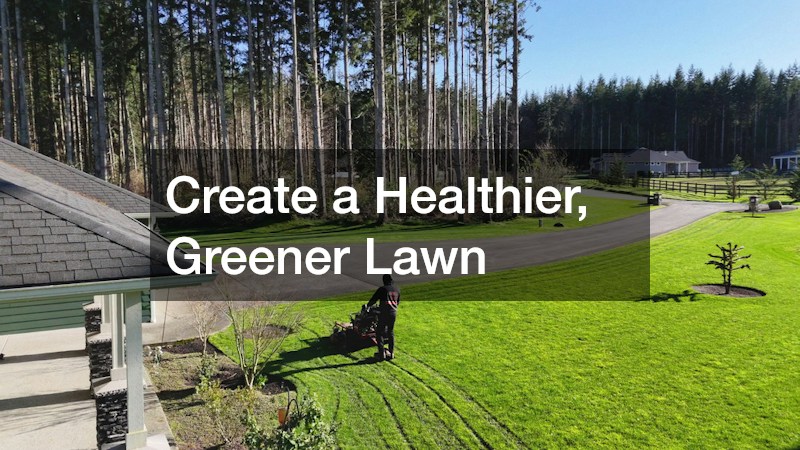
A healthy lawn can serve as the foundation for an attractive exterior. However, establishing or restoring grass can be difficult when existing soil conditions, bare patches, or extensive damage make traditional seeding less practical. Installing new grass can provide a faster way to create a more uniform lawn.
Sod installers can evaluate the area and prepare it for new grass. Proper preparation can include removing unwanted vegetation, addressing uneven areas, preparing the soil, and creating a suitable surface for installation. The condition of the soil can have a significant effect on how well new grass establishes.
Homeowners should also consider the amount of sunlight the yard receives. Different grass varieties have different growing requirements, and areas that receive limited sunlight may need a different approach from open, sunny portions of the property.
Watering is particularly important after new sod is installed. Fresh grass needs adequate moisture while its roots establish themselves in the soil. Following appropriate watering and maintenance practices can help support healthy growth.
A new lawn can also complement other exterior projects. Fresh grass around a new fence, updated landscaping, or cleaned exterior surfaces can make the entire property appear more cohesive. Maintaining the lawn afterward is important for preserving the refreshed appearance.
Remove Dirt and Grime From Exterior Surfaces
Outdoor surfaces naturally collect dirt over time. Dust, mud, pollen, organic debris, and other substances can accumulate on siding, driveways, patios, walkways, decks, and other areas. Cleaning these surfaces can make an immediate difference in the appearance of the property.
Pressure washing cleaners can use specialized equipment to remove buildup from appropriate exterior surfaces. Different materials may require different pressure levels and cleaning approaches, so the method should be suited to the surface being cleaned.
Driveways and walkways can develop dark stains from dirt, weather exposure, and organic growth. Patios and decks can also accumulate debris between routine cleanings. Removing this buildup can make outdoor living areas look more inviting.
Exterior cleaning can also be useful before other projects. Homeowners planning to repaint, stain, or make additional exterior improvements may want to clean surfaces first. Starting with a clean surface can make it easier to evaluate its actual condition.
Not every surface should be treated the same way. Delicate materials, painted surfaces, and certain types of masonry may require lower pressure or alternative cleaning methods. Using an appropriate approach can help reduce the risk of unnecessary surface damage.
Restore the Appearance of Outdoor Areas
Outdoor surfaces can gradually lose their original appearance as dirt and environmental residue accumulate. Cleaning areas such as driveways, sidewalks, patios, and exterior walls can help restore a cleaner appearance without replacing the materials themselves.
Power washing can be particularly useful for larger areas that have accumulated substantial buildup. A thorough cleaning can remove layers of dirt that ordinary sweeping or rinsing may not address effectively.
Homeowners may want to include several areas in the same project. Cleaning only one section of the property can sometimes make adjacent surfaces appear noticeably dirtier by comparison. Coordinating the cleaning of walkways, patios, driveways, and other appropriate surfaces can create a more consistent appearance.
Timing can also matter. Exterior cleaning is often more convenient during favorable weather conditions when surfaces can dry properly afterward. Seasonal cleaning can help remove buildup that accumulated during periods of rain, snow, falling leaves, or increased outdoor activity.
Cleaning can also help homeowners identify maintenance concerns. Once dirt and grime are removed, cracks, loose materials, damaged surfaces, or other issues may become easier to see. This gives homeowners an opportunity to address problems before they become more noticeable or extensive.
Give Your Property a Deeper Exterior Clean
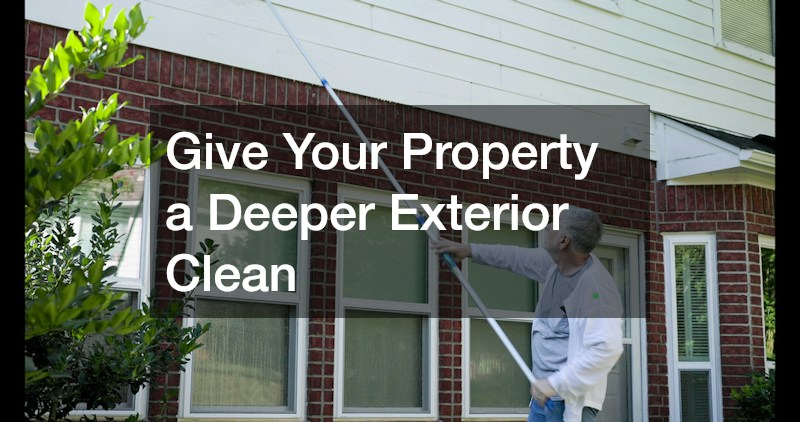
Some properties require more than occasional rinsing or basic surface cleaning. Exterior areas that have accumulated years of dirt, stains, algae, or other buildup may benefit from a more thorough cleaning approach.
A power washing service can evaluate the surfaces that need attention and determine an appropriate cleaning method. Professional equipment can provide consistent coverage across larger areas, helping remove buildup that can be difficult to address manually.
The type of surface should always influence the cleaning method. Concrete, brick, siding, wood, and other materials can respond differently to pressure and cleaning solutions. Applying the wrong technique can potentially damage a surface, so proper evaluation is important.
Homeowners can consider exterior cleaning as part of regular property maintenance rather than waiting until surfaces look severely dirty. Periodic cleaning can help maintain the appearance of outdoor areas and make the property feel more cared for.
Cleaning can also be useful before selling a home. A clean driveway, walkway, patio, and exterior can contribute to the property’s overall presentation. While cleaning doesn’t replace necessary repairs, it can help reveal the condition of surfaces and improve their appearance.
Improve Water Flow Away From Your Home
Gutters play an important role in directing rainwater away from the roof and foundation. When gutters become clogged, damaged, or improperly positioned, water may not flow as intended. This can result in overflowing water along roof edges or excessive runoff near the home’s foundation.
Gutter installers can assess the existing system and determine whether replacement or installation is appropriate. New gutters can be selected based on the home’s size, roof configuration, and drainage requirements. Downspout placement is also important because collected water needs to be directed away from the structure.
Homeowners should watch for signs of gutter problems. Sagging sections, visible leaks, overflowing gutters, water stains beneath the roofline, and pooling near the foundation can all indicate that the drainage system needs attention.
Gutters also require regular maintenance. Leaves, twigs, and other debris can accumulate inside the channels and restrict water flow. Even a well-installed gutter system can perform poorly when it becomes heavily clogged.
Improving drainage can complement other exterior upgrades. A refreshed lawn, new landscaping, or updated walkways can benefit from proper water management. Addressing drainage as part of an exterior improvement plan can help protect the surrounding areas from unnecessary runoff.
Keep Exterior Surfaces Looking Fresh
Exterior walls are exposed to weather throughout the year, and their appearance can change as materials age. Dirt, moisture, sunlight, and environmental conditions can contribute to fading, staining, or general wear. Homeowners who want to refresh the appearance of their property should consider the condition of these surfaces along with other exterior upgrades.
The term sliding services may refer to exterior work involving sliding or similar surface features, depending on the service provider. Homeowners should clarify the specific work included and the materials being addressed before scheduling a project. This is especially important when exterior surfaces have visible damage or deterioration.
Cleaning may be appropriate for some surfaces, while others may need repairs, replacement, or refinishing. Determining the condition of the material first can help homeowners choose an appropriate solution rather than treating every appearance issue as a cleaning problem.
Exterior surfaces can also be coordinated with other improvements. A refreshed wall surface can complement a new fence, updated landscaping, or a freshly maintained lawn. Choosing complementary colors and materials can help create a more cohesive exterior.
Regular inspection can make it easier to identify changes over time. Cracks, loose sections, discoloration, or moisture-related damage should be evaluated when they become noticeable. Addressing these concerns can help prevent a small exterior issue from becoming more extensive.
Maintain Healthy and Well-Shaped Trees
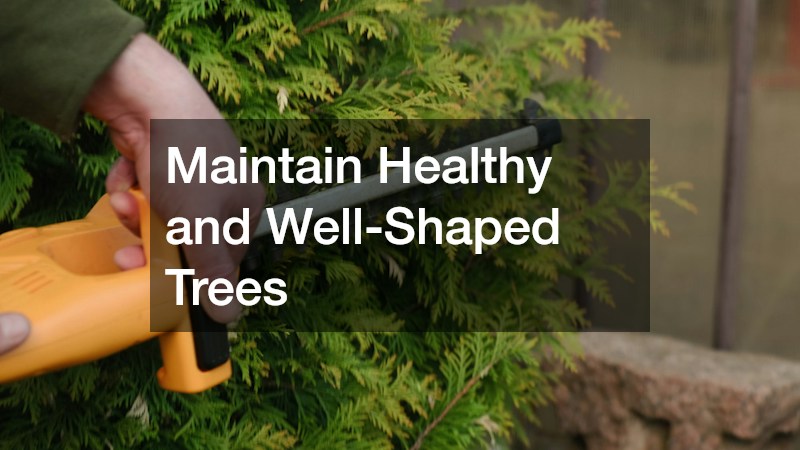
Trees contribute shade, visual interest, and natural character to a residential property. However, trees also require regular care to maintain their appearance and manage branches that become damaged, overgrown, or poorly positioned.
Tree trimming services can help homeowners maintain the shape and structure of trees while addressing branches that need attention. Removing damaged or unwanted growth can improve the appearance of a tree and help manage branches that extend toward structures or other areas of the property.
Trees should be assessed based on their individual condition and growth patterns. Some branches may become damaged during storms, while others may grow toward roofs, fences, utility lines, or walkways. Identifying these concerns early can help homeowners determine whether trimming is appropriate.
Timing can also be an important consideration. Different tree species have different growth patterns and maintenance needs, so homeowners should consider the type of tree and local conditions when planning trimming work.
Tree care can also complement broader landscaping improvements. Properly maintained trees can frame a home, provide shade for outdoor areas, and contribute to the overall appearance of a yard. Combined with a healthy lawn, clean hardscaping, and a well-maintained fence, trees can help create a more polished exterior.
Exterior upgrades can change the appearance and functionality of a home without requiring a complete property transformation. A new fence can define outdoor spaces, while updated landscaping and a healthier lawn can create a more inviting setting. Cleaning outdoor surfaces can remove years of accumulated dirt, and maintaining drainage systems can help direct water away from important areas of the property.
By focusing on both appearance and function, homeowners can create an exterior that feels cleaner, more organized, and better suited to the property. Thoughtful upgrades can refresh curb appeal while supporting the ongoing maintenance and enjoyment of outdoor spaces.