
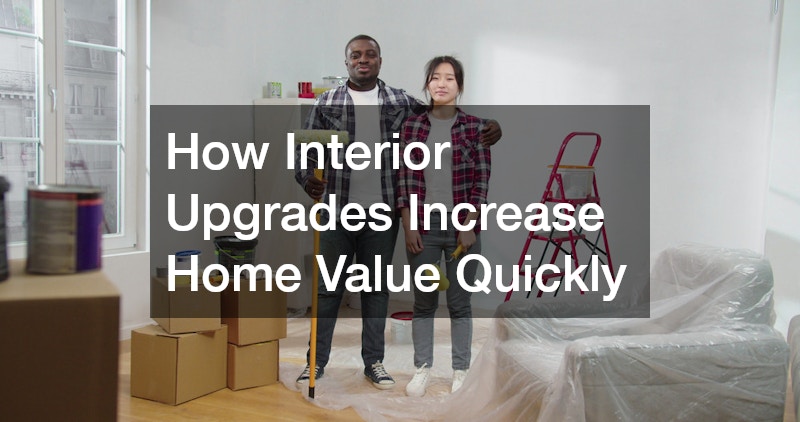
Interior upgrades are one of the fastest ways to increase a home’s market value without major structural renovations. Buyers form impressions quickly, and the look, feel, and condition of interior spaces often determine how much they are willing to pay. Strategic improvements can modernize a home, improve functionality, and create a more desirable living environment—all of which contribute to higher perceived value.
The key is focusing on upgrades that deliver strong visual impact and long-term durability. Instead of random cosmetic changes, homeowners benefit most from a coordinated approach that enhances flow, light, and consistency throughout the home. The following sections break down the most effective interior improvements and how each contributes to increasing home value quickly.
1. Refresh Walls to Instantly Modernize Interior Spaces
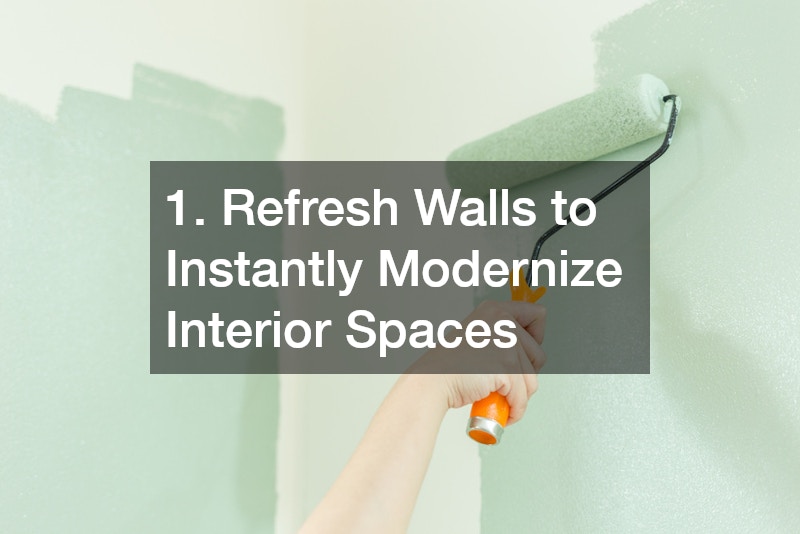
One of the simplest yet most powerful upgrades in any home is a fresh coat of paint. Walls cover the largest visual surface in most rooms, so updating them can dramatically change how a space feels without requiring structural work.
Color choice plays a major role in perceived value. Neutral tones such as soft grays, warm whites, and muted beiges tend to appeal to the widest range of buyers because they create a clean, move-in-ready look. Bold colors can be used strategically, but overuse may limit buyer appeal.
Hiring a local painting contractor ensures professional results that stand out in listing photos and in-person showings. A skilled contractor can also help with:
- Surface preparation and repair of imperfections
- Proper priming for long-lasting coverage
- Clean lines around trim, ceilings, and fixtures
When comparing painting companies, homeowners should evaluate:
- Portfolio of completed work
- Customer reviews and references
- Warranty or satisfaction guarantees
- Use of high-quality materials and finishes
A well-executed paint job signals that the home has been maintained, which immediately increases buyer confidence.
2. Upgrade Flooring to Create a Strong First Impression
Flooring is one of the first features buyers notice when entering a home. Worn, outdated, or inconsistent flooring can make even a well-maintained home feel neglected, while modern, cohesive flooring elevates the entire space.
Carpets remain popular in bedrooms and lower-traffic areas due to their comfort and affordability. However, outdated or stained carpet can significantly reduce perceived value. Replacing or upgrading carpeted areas can instantly refresh a room and make it feel cleaner and more inviting.
When choosing flooring upgrades, consider:
- Durability for high-traffic areas
- Ease of cleaning and maintenance
- Color consistency across connected rooms
- Compatibility with the home’s overall style
In many cases, replacing old flooring with modern alternatives or updating existing carpet can dramatically improve buyer appeal. Flooring sets the tone for the rest of the interior, making it a critical upgrade for value improvement.
3. Restore Natural Wood Surfaces for a High-End Look
Hardwood floors are one of the most desirable features in residential real estate. However, over time, scratches, fading, and wear can diminish its appearance. Instead of replacing floors entirely, restoring them can provide a high-end look at a lower cost.
Hardwood floor refinishing is a highly effective process that involves sanding down the surface and applying new stain and protective coatings. This restores the original beauty of the wood while extending its lifespan.
Benefits of refinishing include:
- Restoring natural color and grain visibility
- Removing scratches, stains, and surface damage
- Increasing durability with protective finishes
- Enhancing overall brightness in rooms
Refinished floors often make spaces feel larger and more cohesive, which is especially appealing to buyers looking for move-in-ready homes.
4. Choose Durable Flooring Solutions That Appeal to Buyers
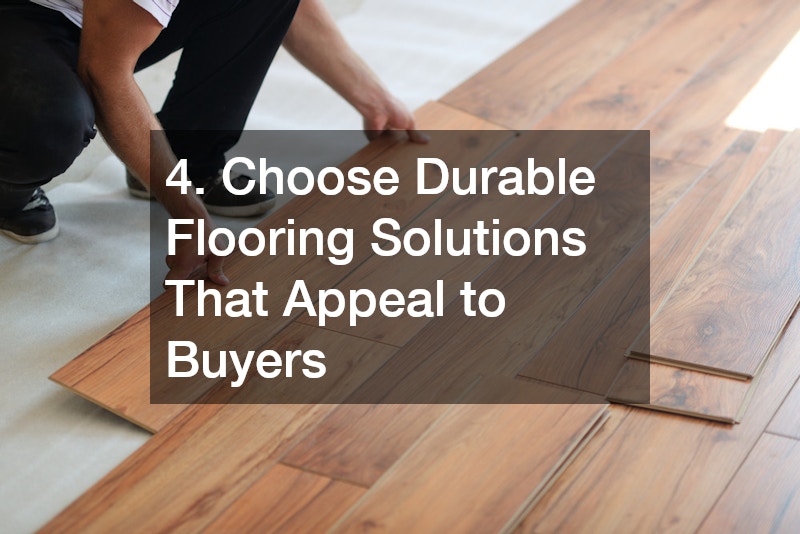
Beyond refinishing existing surfaces, upgrading flooring materials can significantly increase home value. Modern buyers often look for durability, style consistency, and low maintenance.
Working with a professional flooring company can help homeowners choose the right materials for each space. Experts can recommend options based on lifestyle needs, traffic levels, and design goals.
Key considerations when upgrading flooring:
- Water resistance for kitchens and bathrooms
- Scratch resistance for pet-friendly homes
- Longevity and warranty coverage
- Visual consistency across multiple rooms
A well-planned flooring upgrade creates a seamless flow throughout the home, making interiors feel more spacious and intentionally designed.
5. Improve Home Staging With Smart Furniture Placement
Furniture placement plays a major role in how buyers perceive space. Even large homes can feel cramped if furniture is poorly arranged, while smaller spaces can appear larger with strategic staging.
Visiting a furniture store can help homeowners select pieces that are appropriately scaled and visually appealing. Neutral, modern furniture tends to work best for staging because it appeals to a wide audience.
Effective staging strategies include:
- Removing oversized or unnecessary furniture
- Creating clear walking paths through rooms
- Highlighting focal points like fireplaces or windows
- Using minimal décor to avoid clutter
Additional tips:
- Use light-colored furniture to enhance brightness
- Avoid blocking natural light sources
- Arrange seating to encourage conversation and flow
Proper staging helps buyers visualize themselves living in the space, which can significantly increase perceived value.
6. Upgrade Bathrooms for a Modern, Luxurious Feel
Bathrooms are one of the highest-impact areas when it comes to home value. Even small updates can make a noticeable difference in how buyers perceive the entire home.
A well-planned bath remodel can include:
- Updated vanities and countertops
- Modern lighting fixtures
- Improved tile and flooring
- Water-efficient plumbing fixtures
Focus on clean, contemporary design choices that create a spa-like atmosphere. Neutral tones and simple finishes tend to appeal to the widest range of buyers.
Additional improvements that increase value:
- Replacing outdated mirrors and fixtures
- Improving ventilation systems
- Adding storage solutions for better functionality
A refreshed bathroom signals that the home is well-maintained and move-in ready, which can strongly influence buyer decisions.
7. Add Glass Features for a Clean, Contemporary Look

Modern bathrooms often emphasize openness and light. One of the most effective upgrades for achieving this look is replacing traditional shower enclosures with glass features.
Glass shower doors create a more spacious feel by removing visual barriers. This is especially beneficial in smaller bathrooms where maximizing perceived space is important.
Benefits include:
- Improved natural and artificial light flow
- Easier cleaning compared to curtains
- Sleek, modern aesthetic appeal
- Increased perception of luxury
Design considerations:
- Frameless options for a high-end look
- Frosted glass for added privacy
- Hardware finishes that match other fixtures
This upgrade is relatively simple but delivers a strong visual impact that resonates with buyers.
8. Use Reflective Elements to Enhance Light and Space
Mirrors are one of the most effective design tools for improving interior spaces. When used correctly, they can make rooms feel larger, brighter, and more open.
Strategic placement of mirrors can:
- Reflect natural light into darker areas
- Create the illusion of expanded space
- Highlight architectural features
- Balance room proportions
Best practices include:
- Placing mirrors opposite windows to maximize light reflection
- Using large mirrors in small rooms for impact
- Avoiding cluttered or overly decorative frames in modern spaces
Mirrors are especially effective in entryways, living rooms, and bathrooms, where first impressions matter most. They can create an illusion of space, making smaller areas feel more open and inviting. Additionally, strategically placed mirrors can reflect light, brightening up darker rooms and enhancing the overall ambiance. Choosing a decorative frame can also add a touch of style and personality, making the mirror a focal point in your décor. Whether you opt for a sleek modern design or a vintage ornate style, mirrors can elevate the aesthetic of any space.
9. Create Cohesive Design Flow Across All Interior Spaces
A home feels more valuable when all interior spaces work together visually. Cohesion in design helps create a sense of intentionality and quality that buyers immediately notice when moving from room to room. When every space feels connected rather than isolated, the entire home appears more polished, modern, and well-maintained.
To achieve this, focus on:
- Consistent color palettes across rooms: Using a unified palette helps eliminate visual breaks that can make a home feel disjointed. Even if each room has a slightly different function, maintaining harmony in tones ensures the design feels intentional.
- Matching flooring transitions where possible: Abrupt flooring changes can make a home feel smaller or fragmented. Thoughtful transitions or consistent flooring choices help rooms flow naturally into one another.
- Coordinated finishes for fixtures and hardware: Matching finishes—such as brushed nickel, matte black, or warm brass—creates subtle continuity that elevates the overall design. Inconsistent finishes can make updates feel random rather than planned.
- Repeated design elements for continuity: Repeating shapes, textures, or materials throughout the home creates a visual rhythm. This could include repeating wood accents, similar trim styles, or consistent lighting themes.
Even small inconsistencies can disrupt flow and reduce perceived value. A mismatched fixture or clashing color can stand out more than expected, especially during home tours where buyers are actively evaluating details. A unified design approach makes the home feel larger and more thoughtfully designed because it reduces visual “noise” and allows the eye to move smoothly through each space.
Tips for improving cohesion:
- Use 2–3 primary colors throughout the home: Limiting the palette ensures consistency while still allowing for variety in accent tones. This helps unify different rooms without making the design feel repetitive.
- Maintain similar flooring tones in connected spaces: Even if materials differ slightly, keeping tones in the same family helps preserve flow between rooms and prevents abrupt visual shifts.
- Repeat materials like wood, metal, or glass strategically: Consistent material choices tie spaces together. For example, using similar wood tones in shelving, furniture, and trim can subtly reinforce a cohesive design language throughout the home.
10. Prioritize Upgrades Based on Return on Investment
Not all upgrades deliver the same financial return, so prioritizing improvements is essential. Homeowners should focus on changes that offer both a strong visual impact and a measurable value increase. The goal is to concentrate resources on updates that immediately improve first impressions, since buyers often form opinions within minutes of entering a home. Improvements that enhance cleanliness, brightness, and perceived maintenance tend to deliver the strongest return.
High-priority improvements typically include:
- Painting and flooring updates: These create the foundation of a home’s visual appeal. Fresh paint and updated flooring can make an older home feel modern, clean, and well cared for. Because they affect nearly every room, they have an outsized impact on overall perception.
- Bathroom enhancements: Bathrooms are high-value spaces that buyers closely evaluate. Even modest upgrades can signal quality and reduce concerns about future renovation costs.
- Lighting improvements: Better lighting makes spaces feel larger, more welcoming, and more functional. Updating outdated fixtures or improving natural light flow can dramatically change the atmosphere of a home.
- Minor repairs and cosmetic fixes: Small issues like scuffed walls, loose handles, or damaged trim may seem insignificant, but they collectively affect how “move-in ready” a home appears.
Lower-priority upgrades may include highly personalized design choices that appeal to fewer buyers. While these improvements may reflect personal taste, they can limit buyer interest if they are too specific or unconventional. Features that require immediate modification by the next owner often reduce perceived value rather than enhance it.
Key decision-making factors:
- Local market expectations: Understanding what buyers in the area typically expect helps determine which upgrades are necessary versus optional. In competitive markets, more polished finishes may be required to stand out.
- Condition of competing homes: Comparing similar properties currently for sale provides insight into which upgrades will help a home remain competitive. If nearby homes feature updated finishes, similar improvements may be needed to match expectations.
- Budget and timeline constraints: Available funds and how quickly a sale is needed will influence the scope of improvements. Short timelines often require focusing only on high-impact, fast-completion projects.
- Expected resale timeframe: Homes intended for near-term resale should prioritize upgrades with immediate visual payoff, while longer-term ownership allows for more gradual improvements.
By sequencing projects strategically, homeowners can maximize value without overspending. Starting with broad-impact updates and gradually moving toward smaller enhancements ensures that each investment contributes meaningfully to the home’s overall appeal and market readiness.
Conclusion
Interior upgrades are one of the most effective ways to increase home value quickly because they directly influence how buyers perceive a property. From surface-level improvements like paint and flooring to more impactful updates in bathrooms and staging, each enhancement contributes to a stronger overall impression.
When approached strategically, these upgrades work together to create a cohesive, modern, and appealing home that stands out in the market.