Maintaining a roof is akin to maintaining your overall health. A well-maintained roof ensures the safety and security of your home. Neglecting roof repairs can lead to costly damage and inconvenient living conditions. People often underestimate the role a roof plays in protecting a home from external elements.
Regular maintenance prevents minor issues from escalating into major problems.
Homes in climates with extreme weather variations are particularly susceptible to roofing problems. Heat expands roofing materials, while cold contracts them, leading to gradual degradation. Even mild climates aren’t exempt—consistent rain and humidity can affect your roof’s condition over time. It’s crucial to understand that every roof is unique, depending on material, design, and exposure to the elements. Thus, a tailored maintenance plan is advisable for proper care.
Roof inspections should become an integral part of your home maintenance routine. During these inspections, all parts of the roof’s ecosystem are examined, from shingles to gutters. Identifying issues early can prevent potential leaks and structural damage. With a proactive stance on roof repairs, homeowners can save substantial amounts of money in the long run. The peace of mind that comes with a sturdy, well-maintained roof is invaluable.
Identifying Signs of Roof Damage
An essential step in roof maintenance is knowing the signs of damage. Many homeowners only realize they need roof repairs once it’s too late. Missing shingles, for example, often go unnoticed but can lead to leaks if not addressed promptly. Stains on your ceiling can signal underlying roof issues. If water is penetrating your roof or if energy bills suddenly increase, it could point to roof insulation problems.
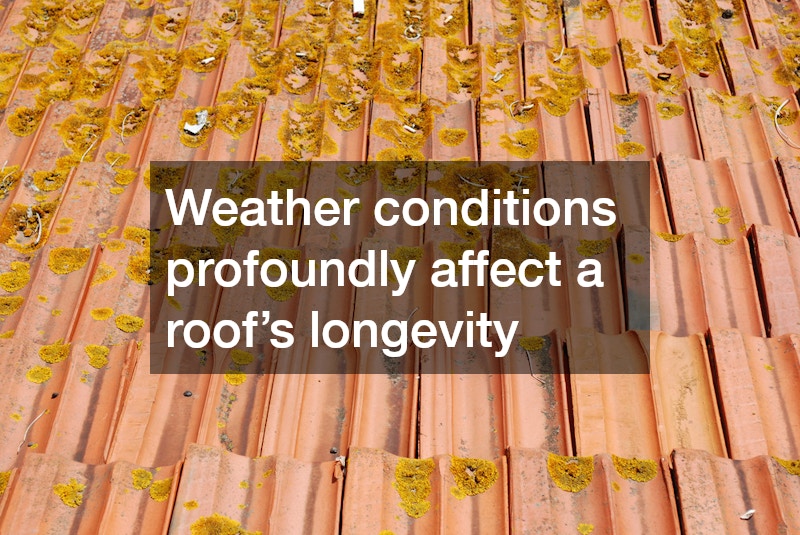
One clear indicator of roof damage is visible sagging. If you notice parts of your roof drooping, it suggests structural damage that’s in urgent need of repair. Damaged flashings or gutters misaligned by heavy winds can cause water to pool, which may lead to rot. Another critical sign to watch for is the presence of mold or moss on your roof, which indicates trapped moisture. Keeping an eye on such symptoms can help you take timely action.
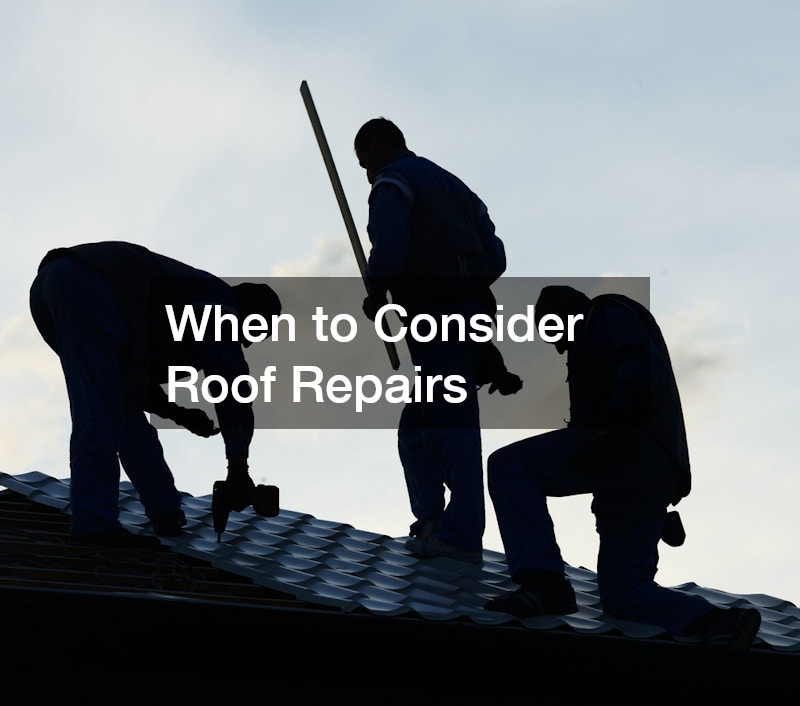
Regular maintenance also helps identify potential problem areas that may not yet be visible. Repairs not only address existing problems but also strengthen weak spots in your roof. A detailed assessment by a roofing professional can point out issues that might not be apparent to the untrained eye. This preemptive approach can extend your roof’s lifespan and enhance its functionality. It’s about being aware and acting before minor issues grow into significant crises.
Weather and Its Impact on Roof Longevity
Weather conditions profoundly affect a roof’s longevity. Roofs in areas with severe weather patterns endure more stress than those in milder regions. Heavy rain or snow can cause water pooling, leading to leaks if drainage systems aren’t functioning optimally. These weather conditions also increase the risk of the freeze-thaw cycle, which can damage roofing materials. Understanding the impact of your local climate can inform necessary adjustments to your maintenance routine.
In locations prone to hurricanes or high winds, roofs experience tremendous force that can dislodge shingles or tiles. Special attention should be given to securing roofing materials against these natural forces. Roofing materials vary in their resistance to weather extremes, with some materials better suited to specific climates than others. Assembling the right set of materials ensures your roof remains in great condition through the seasons. Regular inspections ensure no damage goes unnoticed after a storm.
Seasonal transitions are essential times to conduct roof checks. Spring and fall are usually the best times for this due to the moderate weather conditions. Inspections during these periods prepare your roof for the harsh winter or summer climates. A little preventive maintenance can help avoid incidents that occur from climatic wear and tear. By understanding and addressing weather-related impacts, you can significantly enhance your roof’s lifespan.
Choosing the Right Time for Roof Repairs
Timing is everything when it comes to roof repairs. The ideal time to undertake repairs is often during dry, mild weather seasons. Conducting repairs during such periods ensures that roofing materials are set properly without interference from unpredictable weather. Spring and fall are commonly favored for repair projects as the weather is conducive to hassle-free work. Scheduling repairs during these seasons can also help you negotiate better rates with contractors looking to fill their off-peak schedules.
Delaying roof repairs can result in a snowball effect, leading to more significant structural damage. Many homeowners make the mistake of putting off repairs until they notice leaks, which is already a sign of advanced damage. By that time, simple repairs might require more extensive intervention. Early intervention protects your home against the elements and reduces the stress and costs associated with emergency repairs. Thus, being proactive is key to effective home maintenance.
Alongside timing is the strategic planning of roofing budgets. Regular maintenance and repairs help avoid large unexpected expenses and keep finances manageable. Having a scheduled maintenance plan allows homeowners to allocate resources efficiently throughout the year. It also provides an opportunity to save on costs by booking repairs in advance, typically at lower seasonal rates. Being strategic about the timing and financial planning can yield long-term benefits for homeowners when dealing with roof repairs.