When homeowners think about selling, it’s tempting to focus on one standout upgrade, a remodeled kitchen, fresh paint, or new flooring, and hope it’s enough to impress buyers. In reality, resale appeal is shaped by how well a home functions and feels as a complete package. Buyers don’t just notice what’s new; they notice what feels neglected, inconsistent, or risky. Whole-home improvements create confidence, reduce perceived future expenses, and help buyers imagine themselves living comfortably without immediate repairs.
A strategic, comprehensive approach to improvements addresses both visible aesthetics and behind-the-scenes systems. It aligns interior updates with exterior condition, comfort upgrades with energy efficiency, and cosmetic improvements with long-term reliability. The result is a home that photographs well, shows better during tours, and stands out during inspections, three factors that directly influence offers and final sale price.
This guide explores how coordinated improvements across the entire home can significantly increase resale appeal. Each section focuses on practical decisions homeowners can make to enhance value, comfort, and buyer confidence while avoiding costly mistakes. By thinking beyond isolated projects, sellers can avoid overinvesting in areas that won’t meaningfully influence buyer decisions. Instead, resources are directed toward improvements that collectively strengthen the home’s performance, appearance, and dependability. This holistic mindset helps homeowners prioritize upgrades that appeal to today’s informed buyers, who often compare multiple properties and weigh long-term ownership costs carefully. In competitive markets, this approach can be the difference between a home that lingers and one that attracts strong interest quickly.
Creating a Strategic Renovation Plan Before You Start

Whole-home improvements begin with planning, not demolition. Without a clear strategy, homeowners often pour money into isolated upgrades that fail to complement each other or address underlying issues. Buyers notice when improvements feel disjointed, especially if visible updates distract from aging systems or structural concerns.
A smart plan evaluates the home holistically and prioritizes improvements that strengthen resale appeal across multiple dimensions. This process starts with identifying which elements influence safety, comfort, and long-term reliability, then aligning cosmetic upgrades to support those priorities. Thoughtful planning also helps establish a realistic budget and timeline, reducing the likelihood of rushed decisions or incomplete projects. When improvements are sequenced intentionally, homeowners can minimize disruption, avoid redundant work, and ensure each upgrade reinforces the next. This coordinated approach results in a more polished final product that resonates with buyers.
Key steps for building a renovation strategy:
- Assess the home from a buyer’s perspective, not a current owner’s habits
- Identify aging systems, visible wear, and outdated design elements
- Determine which improvements affect safety, efficiency, and functionality
- Allocate budget across projects rather than overspending on one area
Coordinating projects early also helps reduce redundant labor and unexpected costs. For example, updating interior spaces may require electrical, plumbing, or ventilation adjustments that are easier to address simultaneously rather than in stages.
Working with a home renovation contractor can provide valuable insight into sequencing projects efficiently and avoiding conflicts between trades. Their experience helps homeowners prioritize improvements that offer the highest return while ensuring updates align with local expectations and resale trends. In many cases, a comprehensive remodeling service can also manage permits, inspections, and scheduling, reducing delays that can derail timelines.
A thoughtful plan sets the foundation for every improvement that follows, ensuring each dollar spent contributes to a stronger overall impression.
Improving High-Traffic Interior Spaces That Buyers Scrutinize Most
Certain rooms carry disproportionate weight during buyer tours, and bathrooms are among the most scrutinized. Buyers view these spaces as indicators of cleanliness, comfort, and maintenance habits. Even small signs of wear can raise concerns about hidden issues elsewhere in the home.
Upgrading bathrooms doesn’t always require a full gut renovation. Strategic improvements can dramatically enhance appeal without excessive spending.
High-impact bathroom improvements include:
- Replacing dated vanities with modern, functional designs
- Updating fixtures for water efficiency and contemporary style
- Improving lighting to eliminate shadows and enhance visibility
- Addressing ventilation to prevent moisture buildup
Buyers also respond positively to neutral color palettes, easy-to-clean surfaces, and cohesive finishes that match the rest of the home. Bathrooms that feel bright, fresh, and functional suggest the entire property has been well cared for.
Engaging a bath remodeling contractor can help homeowners avoid common pitfalls, such as poor waterproofing or inefficient layouts. Professionals understand how to balance design trends with durability, ensuring updates remain appealing beyond the current market cycle.
When bathroom improvements are coordinated with adjacent rooms and overall interior style, they strengthen resale appeal by reinforcing consistency and quality throughout the home.
Strengthening Exterior Condition and First Impressions
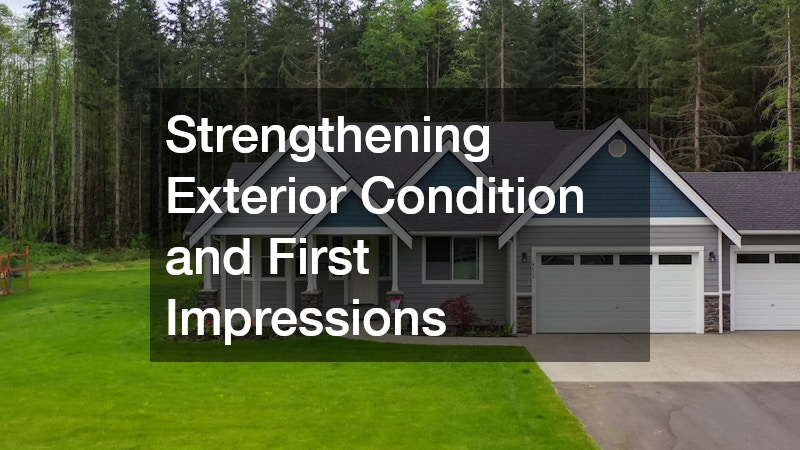
Curb appeal sets expectations before buyers ever step inside. A well-maintained exterior signals pride of ownership, while visible deterioration raises immediate concerns. The roof, in particular, plays a critical role in shaping buyer confidence. Buyers often make assumptions about the rest of the home based on exterior condition alone, using it as a shortcut to judge how well the property has been cared for overall. Peeling paint, uneven rooflines, or visible staining can suggest deferred maintenance, even if interior spaces are updated.
Investing time in exterior repairs and visual consistency helps establish trust early in the showing process. Clean lines, uniform materials, and evidence of recent upkeep reassure buyers that major components have been addressed. This first impression not only increases interest but also sets a positive tone that carries through the rest of the walkthrough, making buyers more receptive to the home’s interior features.
Exterior improvements that influence first impressions include:
- Repairing visible damage or sagging along rooflines
- Cleaning or replacing worn exterior materials
- Ensuring gutters and drainage systems function properly
- Matching exterior colors and finishes for a cohesive look
Consulting a local roofer can help homeowners assess the current condition and identify issues that may appear during inspection. Addressing concerns proactively prevents last-minute negotiations or buyer hesitation.
In cases where significant work is needed, partnering with a roofing contractor allows homeowners to choose materials and solutions that balance longevity, appearance, and resale value. A newer or well-documented roof reassures buyers that major expenses won’t arise soon after purchase.
A strong exterior doesn’t just look good—it communicates reliability, which directly affects perceived value.
Defining Property Boundaries and Outdoor Usability
Outdoor spaces increasingly influence buying decisions, especially for families, pet owners, and those who value privacy. Clear boundaries and functional outdoor areas help buyers visualize how they’ll use the property.
Well-designed outdoor improvements don’t need to be elaborate. Simple upgrades can dramatically improve usability and appearance. Defined spaces make yards feel more purposeful, whether they’re intended for entertaining, play, or relaxation. Buyers often respond positively to outdoor areas that feel secure and easy to maintain rather than oversized or undefined.
Subtle enhancements like improved pathways, clean edges, and consistent materials can elevate the entire property without overwhelming the landscape. When outdoor areas appear organized and intentional, they extend the living space beyond the home’s interior. This added sense of functionality and order helps buyers imagine everyday use, increasing emotional connection and overall appeal.
Outdoor improvements that enhance resale appeal include:
- Clearly defining property lines for security and clarity
- Creating enclosed areas for pets or children
- Improving visual separation from neighboring properties
- Enhancing overall yard structure and flow
Fence installation plays a major role in shaping outdoor perception. The right design can complement the home’s architecture while offering privacy and safety. Buyers appreciate fences that feel intentional and well-maintained rather than makeshift or deteriorating.
When outdoor features align with interior improvements, they extend the sense of livability beyond the home’s walls, increasing overall appeal.
Upgrading Cooling Systems for Energy Efficiency and Comfort
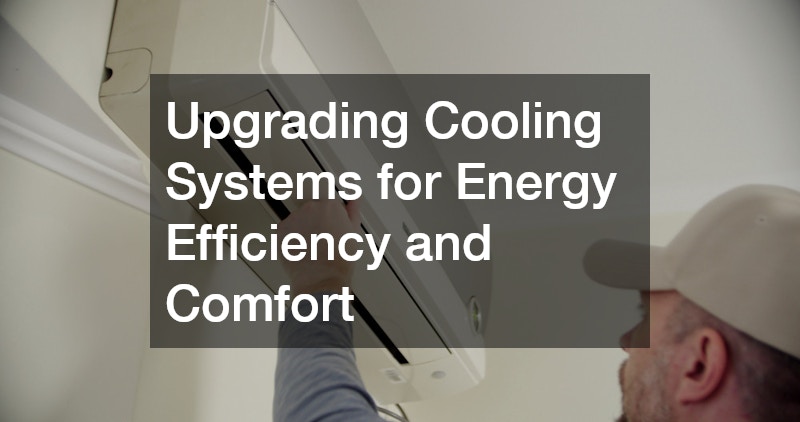
Comfort is a non-negotiable expectation for modern buyers, and cooling systems are a major factor in how a home feels during showings. Uneven temperatures, excessive noise, or outdated equipment can quickly undermine otherwise attractive upgrades.
Cooling improvements also influence long-term affordability, which buyers increasingly factor into decisions.
Benefits of updating cooling systems include:
- More consistent indoor temperatures
- Improved energy efficiency and lower utility costs
- Reduced maintenance concerns for new owners
- Better air circulation and humidity control
Planning an AC installation before listing allows homeowners to market comfort and efficiency as selling points rather than liabilities. Newer systems often come with documentation that reassures buyers about performance and expected lifespan.
Cooling upgrades are especially effective when paired with insulation improvements and airflow optimization, creating a comfortable environment that buyers can feel immediately during tours.
Addressing Heating and Mechanical Reliability Before Listing
Mechanical systems may not be visible, but buyers care deeply about their condition. Inspection reports that highlight aging or failing equipment can derail negotiations or lead to costly concessions.
Heating systems are particularly important in colder climates, where reliability affects safety and comfort.
Mechanical improvements that reduce buyer concerns include:
- Evaluating system age and performance before listing
- Addressing unusual noises, odors, or inefficiencies
- Ensuring proper ventilation and airflow
- Documenting maintenance and recent upgrades
In some cases, HVAC replacement makes more sense than repeated repairs, especially when systems are near the end of their lifespan. Newer systems appeal to buyers seeking predictable costs and energy efficiency.
When full replacement isn’t necessary, completing furnace repairs ahead of time prevents small issues from escalating into inspection red flags. Buyers appreciate homes where essential systems have been proactively maintained rather than deferred.
Reliable mechanical systems reinforce the impression that the home is move-in ready, a key driver of strong offers.
Enhancing Light Control, Privacy, and Interior Finish Quality
Interior finishes play a subtle but powerful role in how buyers perceive quality. Window treatments, in particular, influence light, warmth, and privacy across every room.
Outdated or mismatched coverings can distract from otherwise attractive interiors, while updated options enhance cohesion. Buyers tend to notice when treatments feel inconsistent from room to room, which can make spaces seem unfinished or poorly planned. Thoughtfully selected coverings help rooms feel balanced and intentional, supporting both natural light and privacy needs.
Well-chosen window treatments can also improve comfort by reducing glare, managing heat gain, and adding a layer of insulation. These benefits may not be immediately obvious, but they contribute to how the home feels during showings. When light control and privacy are handled well, buyers are more likely to focus on the home’s strengths rather than small visual distractions, reinforcing a sense of overall quality.
Benefits of upgrading window treatments include:
- Improved natural light control
- Enhanced privacy without sacrificing brightness
- Better insulation and energy efficiency
- A polished, finished look throughout the home
Working with local blind services allows homeowners to choose solutions that align with modern preferences and the home’s overall style. Neutral, consistent treatments help rooms feel larger and more connected, especially in open floor plans.
Thoughtful window upgrades complement lighting improvements and color choices, reinforcing a sense of intentional design that buyers value.
Whole-home improvements succeed when they work together to tell a clear story: this home has been thoughtfully maintained, efficiently updated, and prepared for long-term comfort. Buyers respond not just to individual upgrades, but to the confidence that comes from seeing consistency across systems, finishes, and functionality.
By planning strategically, prioritizing reliability, and coordinating visible and hidden improvements, homeowners can significantly increase resale appeal without unnecessary spending. The goal isn’t perfection, it’s reassurance. When buyers feel secure about what they’re purchasing, they’re more likely to act quickly, offer competitively, and move forward without hesitation.
A comprehensive approach transforms improvements into an investment strategy, helping homeowners maximize value while delivering a better experience for future occupants. Rather than chasing short-term trends or isolated cosmetic fixes, homeowners who think holistically create properties that stand out in competitive markets. These homes feel balanced, comfortable, and ready for immediate enjoyment, reducing the mental checklist buyers often carry during showings.
Equally important, whole-home upgrades minimize surprises during inspections, which can protect sale timelines and preserve negotiated pricing. When systems, finishes, and structural elements align, buyers perceive less risk and greater long-term value. Ultimately, investing in coordinated improvements benefits both sides of the transaction: sellers gain stronger offers and smoother closings, while buyers step into a home that feels dependable, efficient, and genuinely cared for from day one.